




Productivity Planner: Your Ultimate Guide to Getting More Done
You've probably experienced those days where you're busy from morning to night, yet somehow you end up feeling like nothing important actually got done. Sound familiar? That's where a productivity planner becomes your secret weapon. Unlike a basic calendar or to-do list app, a dedicated productivity planner helps you cut through the noise, prioritize what truly matters, and build momentum toward your biggest goals. Whether you're juggling work projects, personal growth objectives, or simply trying to create more balance in your life, the right planning system can make all the difference.
What Makes a Productivity Planner Different
Let's get real for a second. You might be wondering what separates a productivity planner from any old notebook or digital calendar. The answer lies in intentional design and purpose-driven structure.
A productivity planner isn't just about writing down appointments or jotting down random tasks. It's built around proven productivity methodologies that help you work smarter, not harder. These planners typically incorporate elements like priority ranking, time estimation, habit tracking, and regular reflection prompts. They're designed to keep you focused on high-impact activities rather than getting lost in busy work.
Core Features That Drive Results
The best productivity planners share several essential characteristics that set them apart:
- Structured daily layouts that guide you through planning sessions without overwhelming you
- Goal-setting sections that connect your daily tasks to bigger objectives
- Time blocking capabilities that help you allocate your energy intentionally
- Progress tracking to maintain momentum and celebrate wins
- Reflection spaces for learning and adjusting your approach
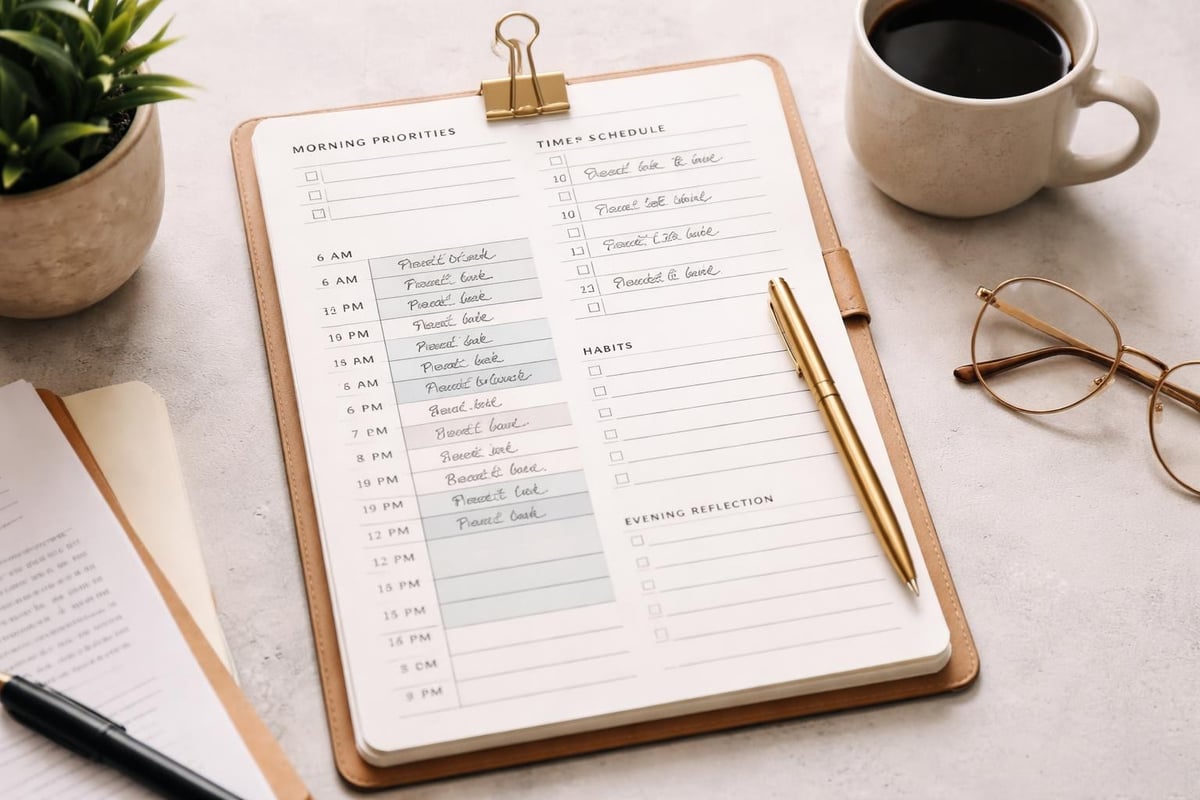
What's interesting is how these elements work together. When you start your day by identifying your top priorities, estimate how long tasks will take, and then block out dedicated time for focused work, you're essentially creating a roadmap for success. This approach aligns closely with the principles of time blocking, a proven productivity technique that transforms your calendar into an actionable strategy.
Building Your Perfect Planning System
Here's where things get personal. Your productivity planner needs to match your unique work style, goals, and daily rhythms. There's no one-size-fits-all solution, which is actually good news because it means you can customize your approach.
Choosing the Right Layout Format
Different planning layouts serve different purposes. Some people thrive with hourly schedules, while others prefer flexible task lists. Consider what suits your lifestyle:
| Layout Type | Best For | Key Benefits |
|---|---|---|
| Hourly Grid | Appointment-heavy schedules | Clear time visualization, structured routine |
| Time Blocks | Project-focused work | Flexible chunks, deep work sessions |
| Task Priority | Variable schedules | Focus on importance over timing |
| Hybrid Approach | Mixed responsibilities | Combines structure with flexibility |
I've found that most people benefit from a hybrid approach. You might use time blocks for your core work hours but keep a running priority list for tasks that don't require specific timing. This gives you structure without creating a rigid schedule that falls apart the moment something unexpected happens.
The Getting Things Done methodology emphasizes capturing everything externally and then processing it systematically. This is exactly what a good productivity planner facilitates. You capture tasks, prioritize them, assign time for completion, and track progress, all in one cohesive system.
Integrating Habit Tracking
One powerful feature that separates productivity planners from basic calendars is habit tracking. When you're building new routines or breaking old patterns, visual tracking creates accountability and momentum.
Your productivity planner should include space to monitor daily habits that support your bigger goals. Maybe you're committed to drinking more water, exercising regularly, or spending focused time on a passion project. By checking off these habits daily, you create a visual chain of success that motivates continued action.
If you're serious about developing consistent habits, consider exploring dedicated habit tracking resources that provide specialized frameworks for building lasting routines.
Making Your Productivity Planner Work For You
Let's talk about implementation because even the best productivity planner is worthless if it sits unopened on your desk. The key is establishing rituals around your planning practice.
Morning Planning Sessions
Starting your day with a focused planning session sets the tone for everything that follows. Here's a simple framework that takes about 10 minutes:
- Review your goals to maintain long-term perspective
- Identify your top three priorities for the day
- Estimate time requirements for each priority task
- Block your calendar accordingly
- Schedule buffer time for unexpected issues
This morning ritual transforms your productivity planner from a passive record-keeping tool into an active strategy device. You're not just responding to whatever comes your way; you're proactively designing your day around what matters most.
Weekly Reviews Keep You On Track
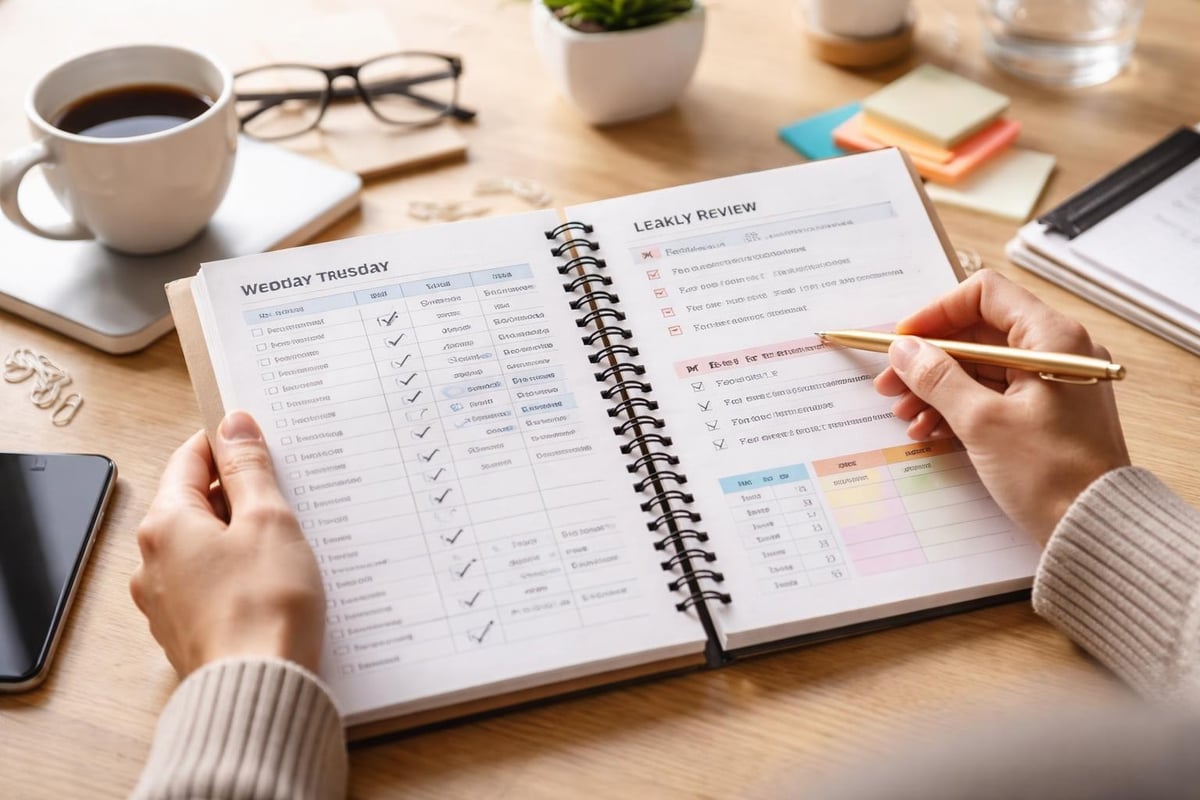
Daily planning is crucial, but weekly reviews provide the bigger picture perspective you need for sustained progress. Set aside 30 minutes each week to:
- Celebrate wins and completed projects
- Analyze what worked and what didn't
- Adjust priorities based on changing circumstances
- Plan the upcoming week strategically
- Update long-term goals as needed
These review sessions prevent you from getting so caught up in daily execution that you lose sight of whether you're actually moving toward your bigger objectives. Research on chronobiology-based planning suggests that aligning your planning activities with your natural rhythms can significantly improve both time management and overall well-being.
Advanced Productivity Planner Strategies
Once you've mastered the basics, you can level up your planning game with more sophisticated techniques that maximize your effectiveness.
The Power of Batching Similar Tasks
One strategy that transforms productivity is task batching. Instead of scattering similar activities throughout your week, group them together in your productivity planner. For example, designate specific time blocks for all your meetings, another block for creative work, and separate blocks for administrative tasks.
This approach minimizes context switching, which research shows drains cognitive energy and reduces overall efficiency. When you batch similar tasks together, you enter a flow state more easily and maintain momentum longer.
Leveraging the Pomodoro Technique
The Pomodoro Technique pairs beautifully with a productivity planner. This time management method involves working in focused 25-minute intervals followed by short breaks. In your planner, you can mark how many "pomodoros" you estimate each task requires, then track your actual usage to improve future planning accuracy.
Many people find this technique particularly helpful for tasks they've been procrastinating. Breaking a big, intimidating project into manageable 25-minute chunks makes it feel less overwhelming and easier to start.
Creating Theme Days
Here's a game-changing strategy: organize your week around themes rather than just tasks. Maybe Mondays are for strategic planning and content creation, Tuesdays for client meetings, Wednesdays for deep project work, and so on.
When you structure your productivity planner around theme days, you reduce decision fatigue and create natural rhythms in your week. You know exactly what type of work you should be focusing on each day, which makes prioritization much simpler.
Physical vs Digital Productivity Planners
This question comes up constantly: should you use a paper productivity planner or a digital app? The truth is, both have distinct advantages, and the best choice depends on your personal preferences and work environment.
The Case for Physical Planners
There's something powerful about writing things down by hand. Studies show that the physical act of writing improves memory retention and helps you process information more deeply. Plus, there are no notifications, no battery life concerns, and no temptation to switch over to social media.
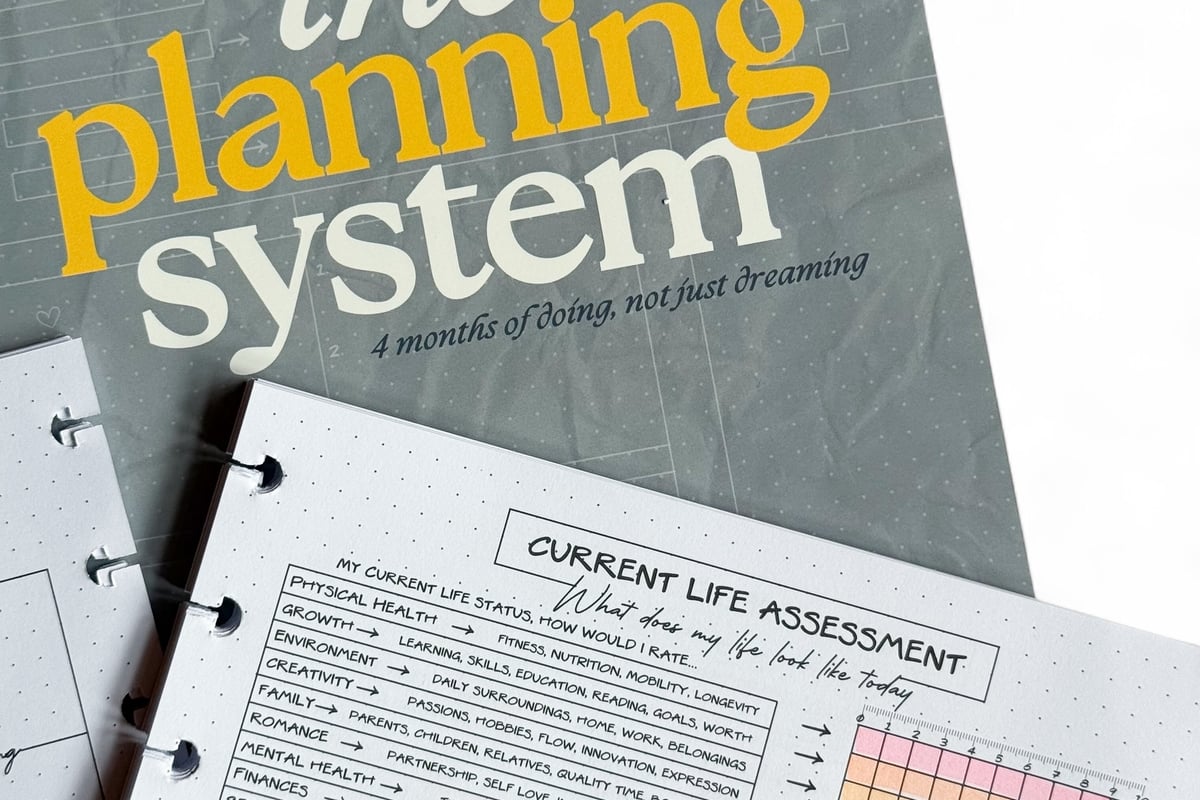
Physical planners from Daily Grind Planner offer carefully designed layouts that guide your thinking without the distractions inherent in digital devices. The tactile experience of turning pages and seeing your progress visually spread across weekly layouts creates a different kind of satisfaction than scrolling through a screen.
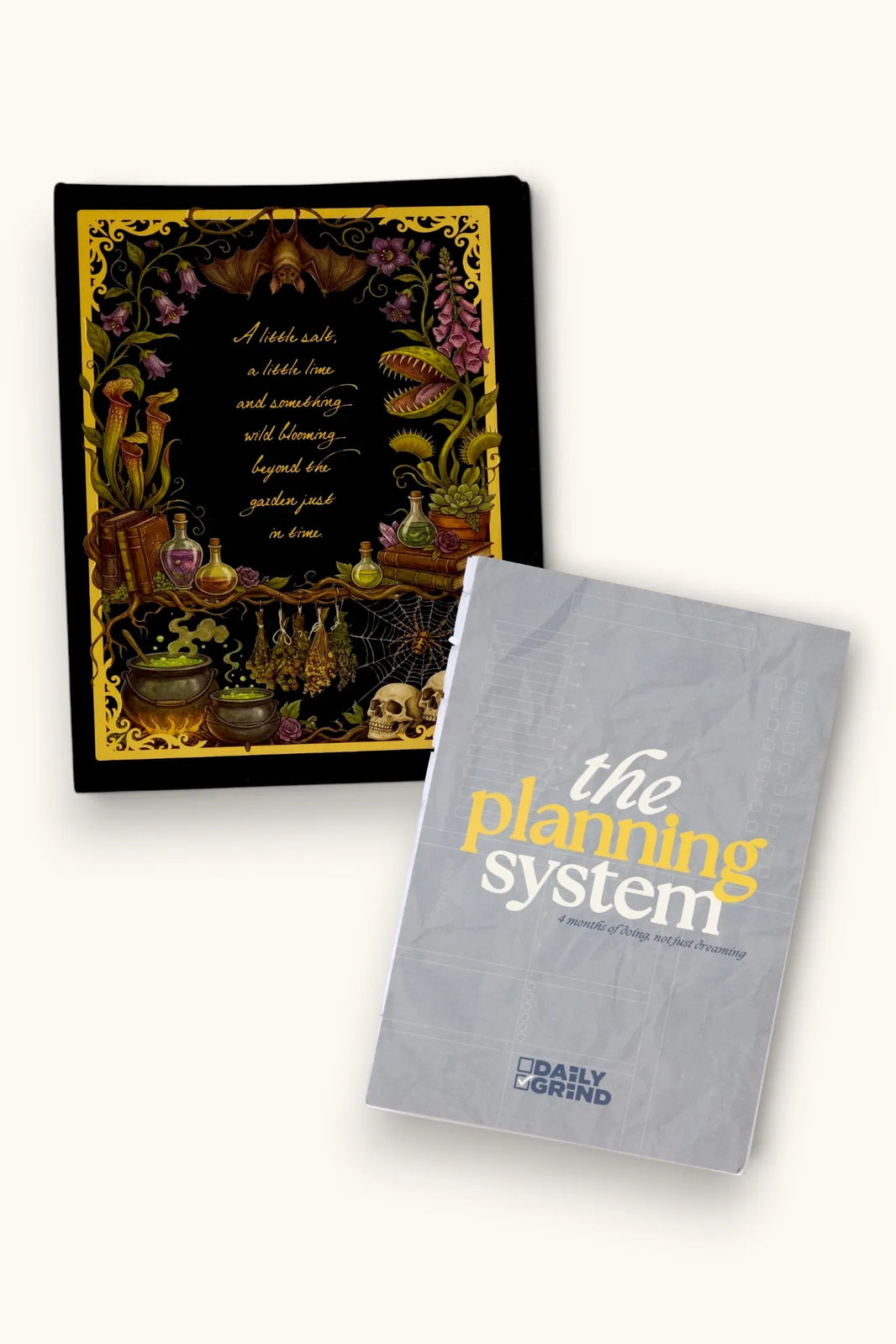
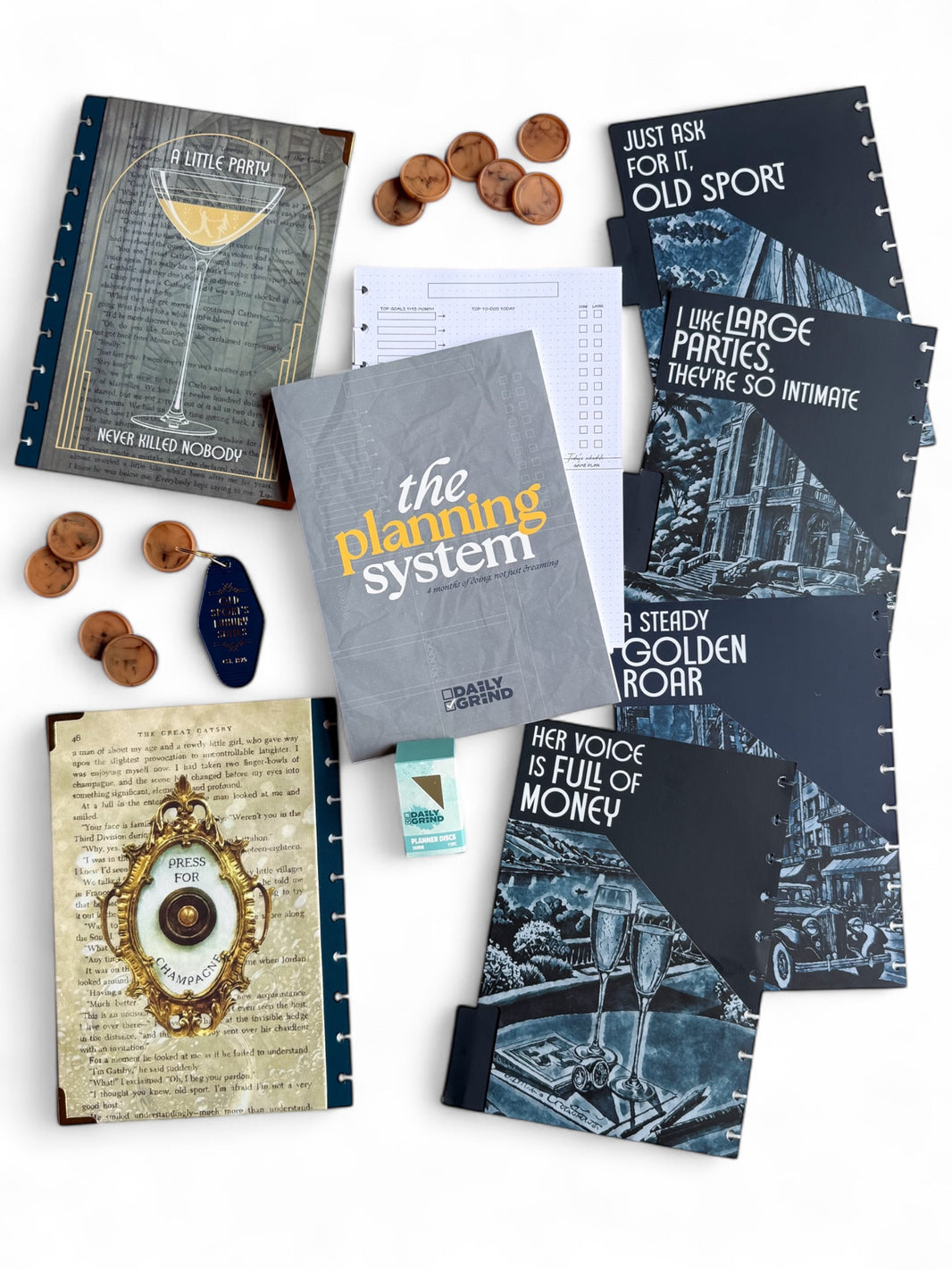
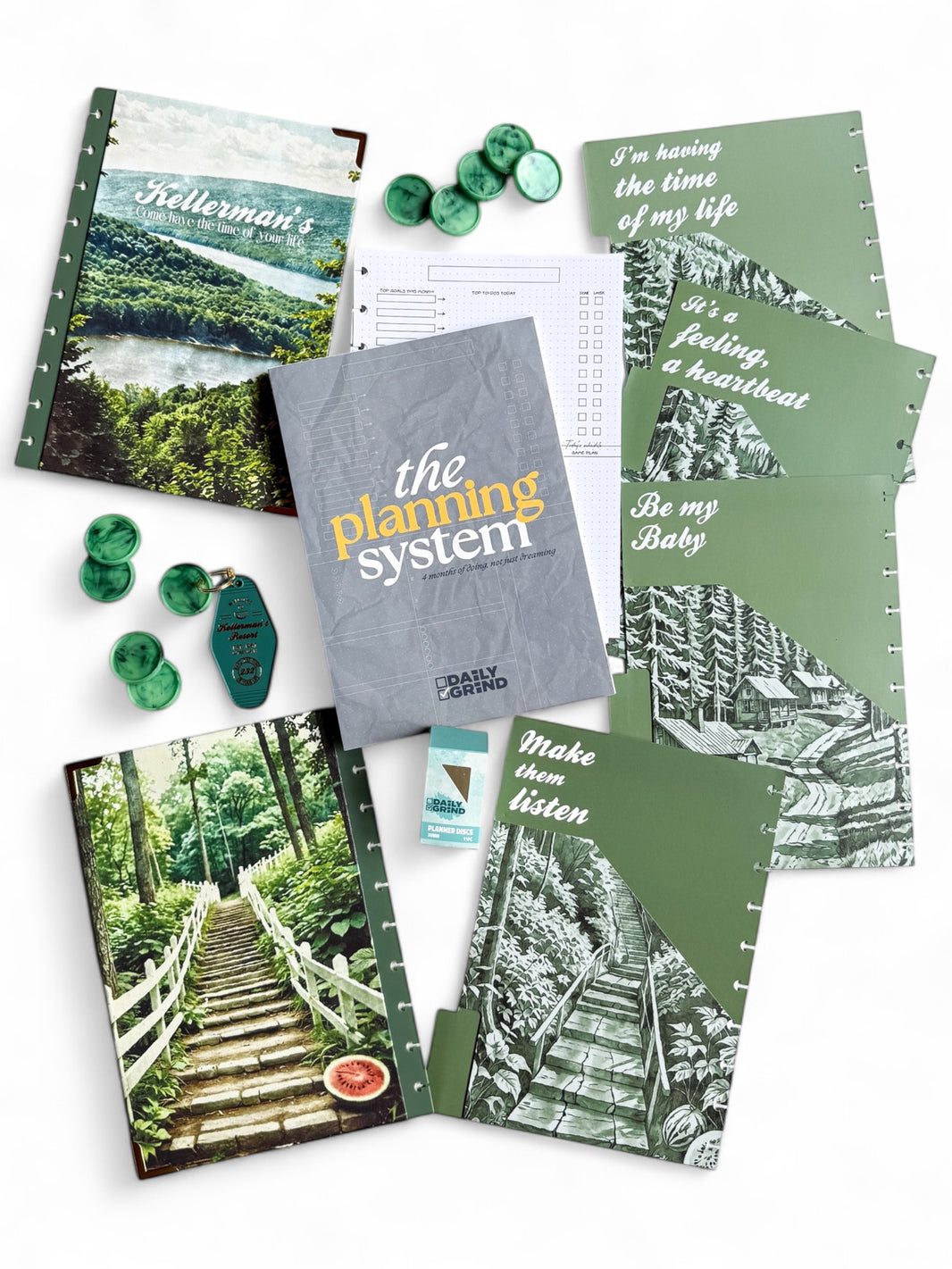
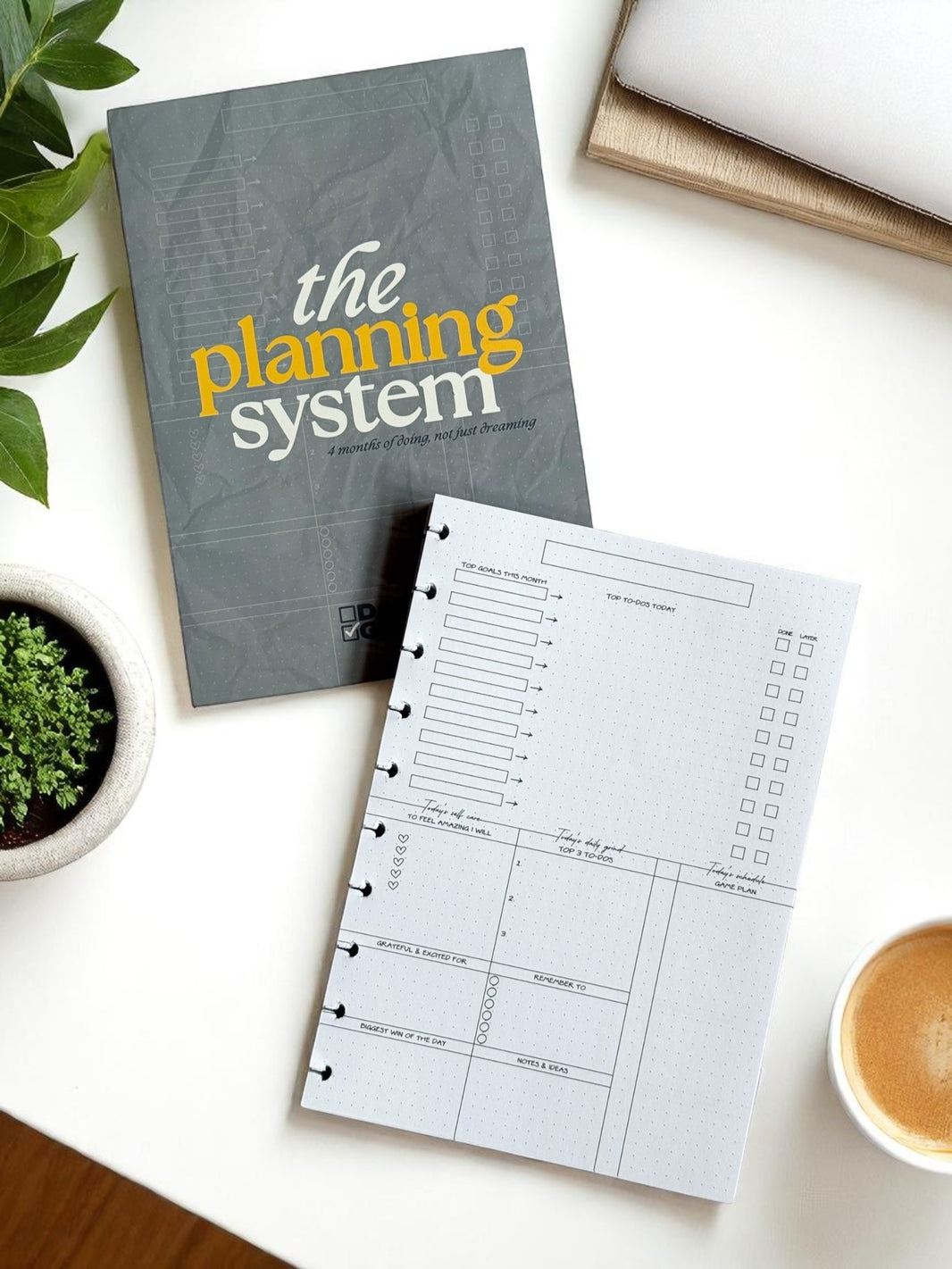
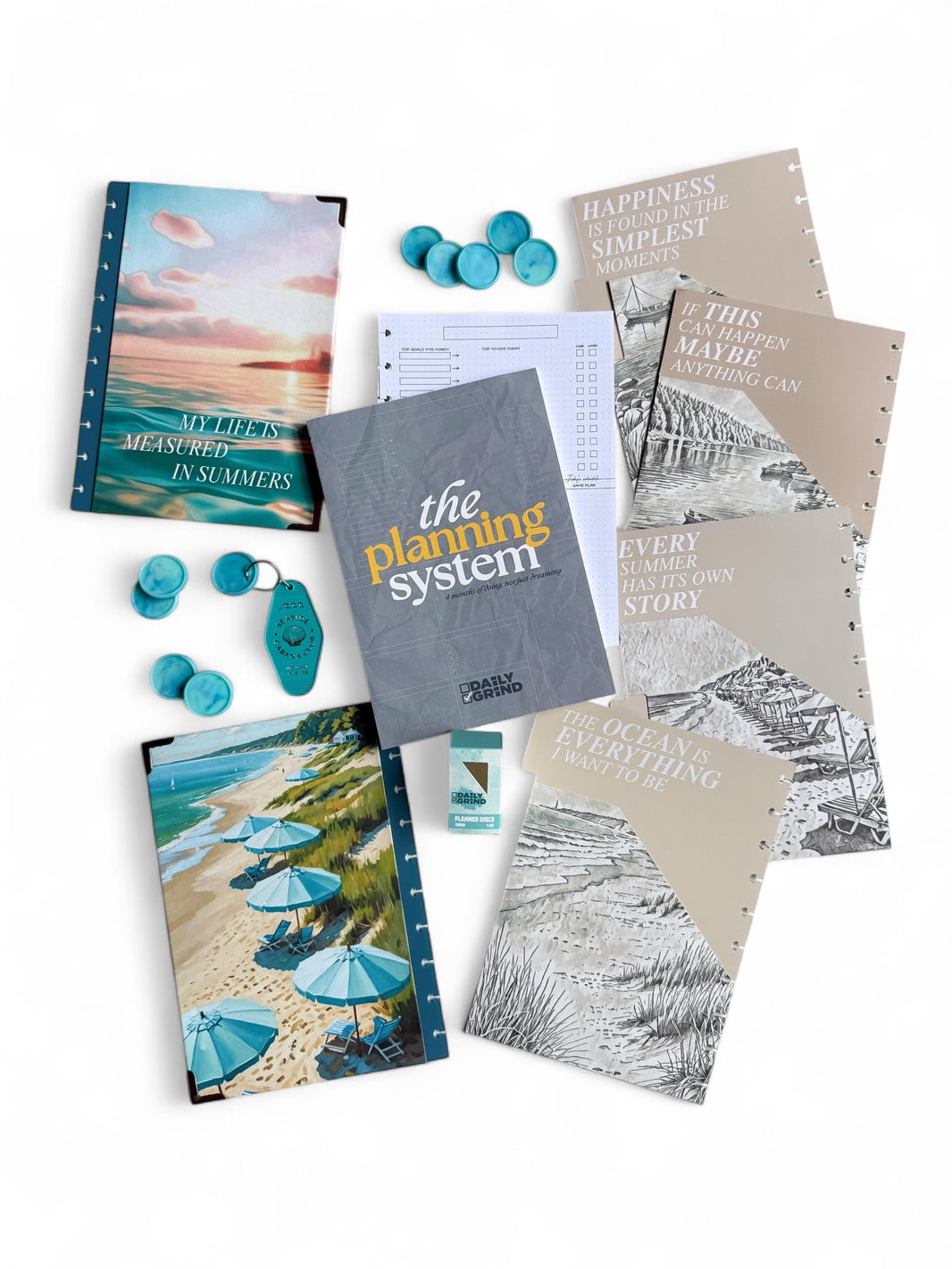
If you're looking for a comprehensive planning system that balances structure with flexibility, The Daily Grind 4-Month Planning System provides an intuitive framework for staying focused on your goals while maintaining daily routines. This undated format gives you the space to make serious progress without feeling overwhelmed by rigid timelines.
When Digital Works Better
Digital productivity planners excel in certain situations. If your schedule changes frequently, digital tools make editing easier. They're also ideal for people who need to access their plans across multiple devices or share calendars with team members.
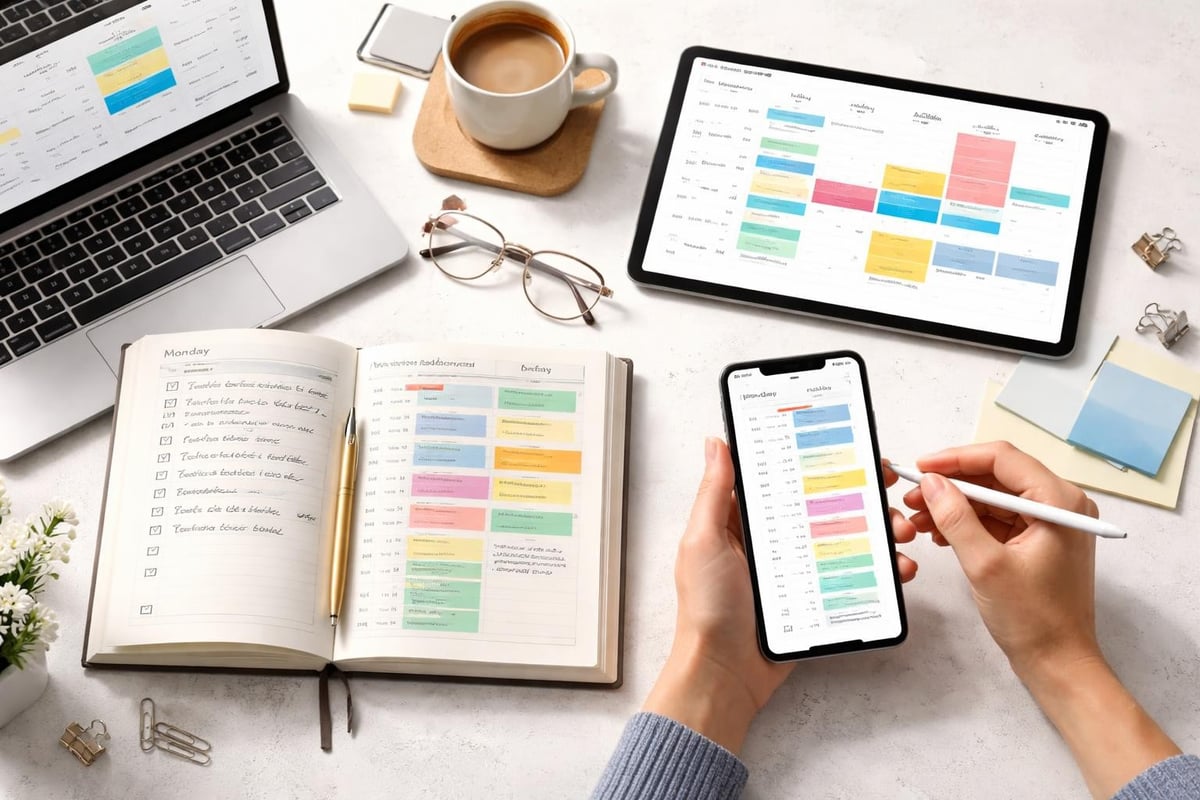
That said, many productive people use a hybrid approach. They might keep their main productivity planner in physical form but use digital calendars for appointments and collaborative projects. This gives you the benefits of both systems without the drawbacks of committing fully to either.
Customizing Your Productivity Planner Experience
One of the most exciting aspects of productivity planning is making your system truly yours. While the core principles remain consistent, how you implement them can be uniquely tailored to your life.
Adding Creative Elements
Your productivity planner doesn't have to be purely functional. Many people find that adding creative touches like color coding, stickers, or decorative washi tape makes the planning process more enjoyable. When you look forward to opening your planner, you're more likely to use it consistently.
Color coding is particularly useful for visual thinkers. You might use different colors for work tasks, personal goals, health activities, and creative projects. This instant visual categorization helps you see at a glance whether your day is balanced or if you're neglecting important life areas.
Incorporating Multiple Planning Layers
Effective productivity planning happens at multiple time horizons simultaneously:
- Daily planning focuses on immediate tasks and time management
- Weekly planning ensures balanced progress across different life areas
- Monthly planning tracks milestone achievement and adjusts strategies
- Quarterly planning aligns daily actions with long-term goals
Your productivity planner should accommodate all these layers. This might mean having daily spreads for granular planning, weekly overview pages for balance checking, and goal-tracking sections for the bigger picture.
Overcoming Common Productivity Planner Challenges
Let's address the elephant in the room. You've probably tried planning systems before that didn't stick. Here's why they failed and how to avoid those pitfalls this time.
The Perfectionism Trap
Many people abandon their productivity planner because they miss a day or two and decide the whole system is ruined. This all-or-nothing thinking is counterproductive. Your planner is a tool, not a judge. If you miss a day, simply pick up where you left off.
Building in flexibility from the start helps. Leave some blank space in your daily layouts. Don't schedule every single minute. Accept that some days won't go according to plan, and that's perfectly okay.
Planning Without Action
Another common mistake is spending so much time planning that you never actually execute. Your productivity planner should facilitate action, not replace it. Limit your daily planning session to 10-15 minutes maximum. If you're spending more time than that, you're probably overthinking it.
The goal isn't to create the perfect plan. It's to create a good enough plan that you can actually follow. Done is better than perfect, and this applies to planning just as much as execution.
Choosing Overwhelming Systems
Some productivity planners try to track everything: tasks, habits, meals, water intake, moods, exercise, finances, and more. For most people, this creates cognitive overload rather than clarity. Start simple and add complexity only if it genuinely helps.
Focus first on the core elements: daily priorities, time blocking, and basic habit tracking. Once these become second nature, you can explore additional features that support your specific goals. The personal organizer concept has evolved significantly over time, but the fundamental principle remains: simple systems that you actually use beat complex systems that sit abandoned.
Making Planning a Sustainable Practice
The difference between a productivity planner that transforms your life and one that collects dust comes down to sustainability. How do you make planning a practice you maintain long-term?
Stack It With Existing Habits
The easiest way to build a new habit is to attach it to something you already do consistently. Maybe you plan your day while drinking your morning coffee, or you do your weekly review every Sunday evening after dinner. This habit stacking makes planning feel natural rather than like another item on your endless to-do list.
Celebrate Your Wins
Use your productivity planner to track not just what you need to do, but what you've accomplished. Many people include a "wins" section in their daily or weekly spreads where they note achievements, no matter how small. This positive reinforcement keeps you motivated and makes planning feel rewarding rather than punishing.
Adjust and Evolve
Your productivity needs change as your life changes. The system that works perfectly when you're focused on a single big project might not serve you well when you're juggling multiple responsibilities. Give yourself permission to adjust your productivity planner approach as needed.
Try different layouts from Daily Grind's insert collection to find what resonates with your current season of life. What matters most is finding a system that feels supportive rather than restrictive.
Building Long-Term Success With Your Productivity Planner
Ultimately, your productivity planner is about much more than checking off tasks. It's about intentionally designing a life that reflects your values and priorities. When you take control of your time and attention, you create space for what truly matters.
The most successful planners view their productivity system as a living document that grows with them. They experiment, adjust, refine, and personalize until they've created something that genuinely supports their unique goals and lifestyle. Whether you're drawn to the structured approach of systems like the Franklin Planner or prefer more flexible frameworks, the key is finding what works for you and committing to the practice.
Recent innovations in productivity planning, including research on AI-enhanced productivity tools, show that the future of planning will likely blend traditional methods with technology. But the fundamental principles remain unchanged: clarity, prioritization, and consistent action.
Your journey with a productivity planner is personal. Some days you'll nail it, feeling accomplished and energized. Other days will feel chaotic despite your best planning efforts. Both experiences are part of the process. The magic happens in the consistency of showing up, planning intentionally, and taking action aligned with your goals.
When you combine the right productivity planner with commitment to your personal growth, amazing things become possible. Life doesn't have to feel like a constant scramble where your own dreams take a backseat to everyone else's priorities. At Daily Grind Planner, we create tools specifically designed to help you stay focused, eliminate distractions, and build a life that truly reflects what matters most to you. Ready to take control of your time and start making real progress on your goals?
Article written using RankPill.
Tags: