





Daily Planner Guide: Transform Your 2026 Productivity
You've probably started countless planners with the best intentions, only to abandon them by mid-February. The pages sit empty, your goals feel distant, and somehow your days still slip away in a blur of reactive tasks. But here's the thing: the problem isn't you. It's that most people never learn how to use a daily planner in a way that actually serves their unique life and priorities. When you understand the right techniques and build a planning practice that puts your goals first, everything changes.
Why Your Daily Planning Practice Matters More Than Ever
Let's talk about what happens when you don't plan your day. You wake up, check your phone, and suddenly you're responding to everyone else's agenda. Your boss's urgent email. Your friend's text. The news notification that sends you down a rabbit hole.
Before you know it, it's noon and you haven't touched a single thing that matters to you.
Research shows that a brief morning planning session can significantly reduce decision fatigue and enhance your overall productivity. When you take control of your day from the start, you're not just managing time but you're actively choosing what deserves your energy.
The Psychology Behind Effective Planning
Your brain craves structure, even if you consider yourself a spontaneous person. Without a framework for your day, you're constantly making micro-decisions about what to do next. Each decision drains your mental energy.
A daily planner eliminates this exhaustion by creating predetermined pathways for your day. You've already decided what matters, so you can save that mental energy for actually doing the work.
Here's what happens when you plan consistently:
- You make progress on long-term goals instead of just urgent tasks
- You protect time for self-care and creativity
- You reduce anxiety about forgotten commitments
- You build momentum through small daily wins

Setting Up Your Daily Planner for Success
Before you write a single task, you need to choose the right planning system for your life. Digital or paper? Hourly blocks or simple lists? The answer depends on how your brain works and what you're trying to accomplish.
Paper planners offer something digital tools can't replicate: the tactile satisfaction of writing and the lack of distracting notifications. When you're working in your planner, you're fully present with your goals.
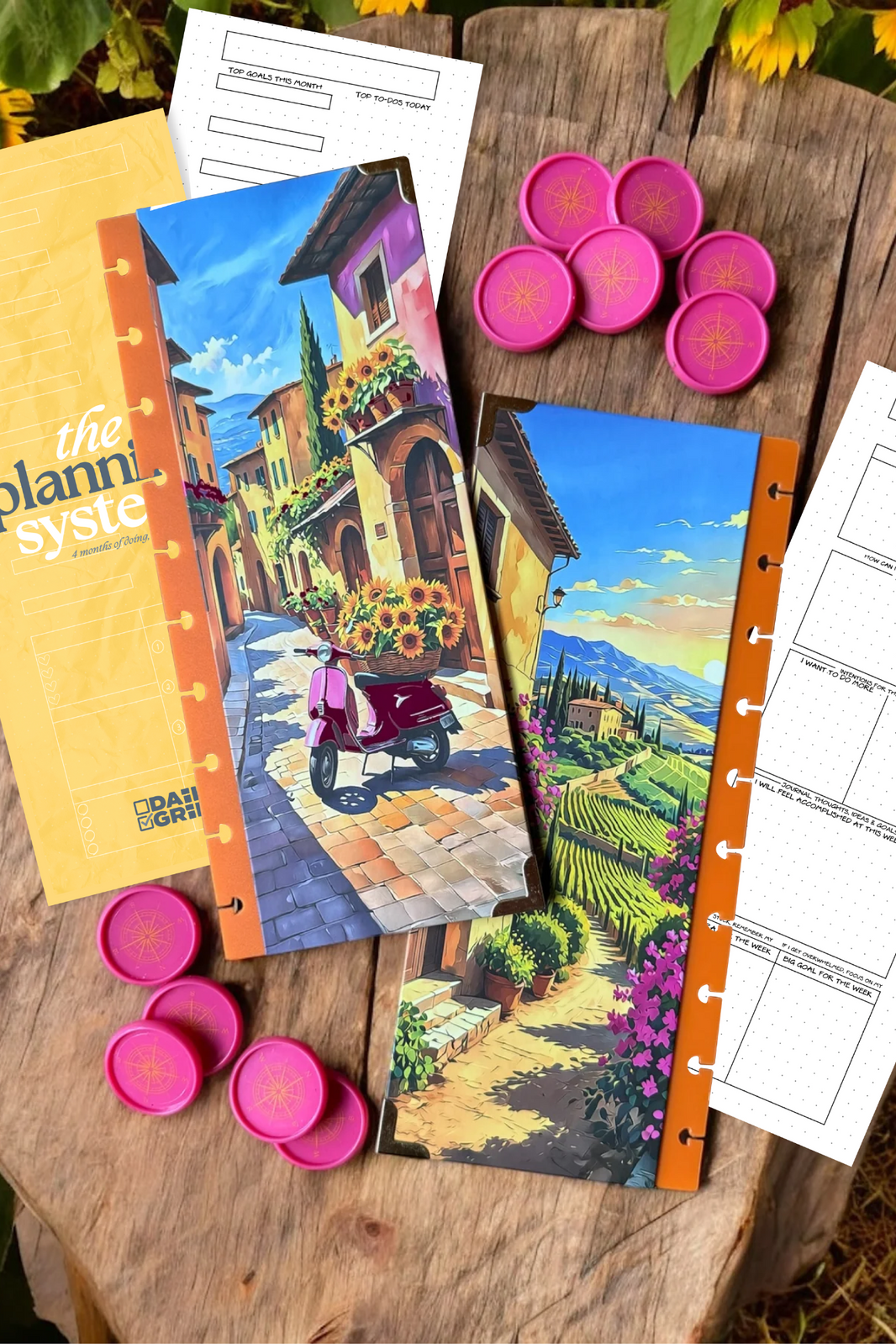
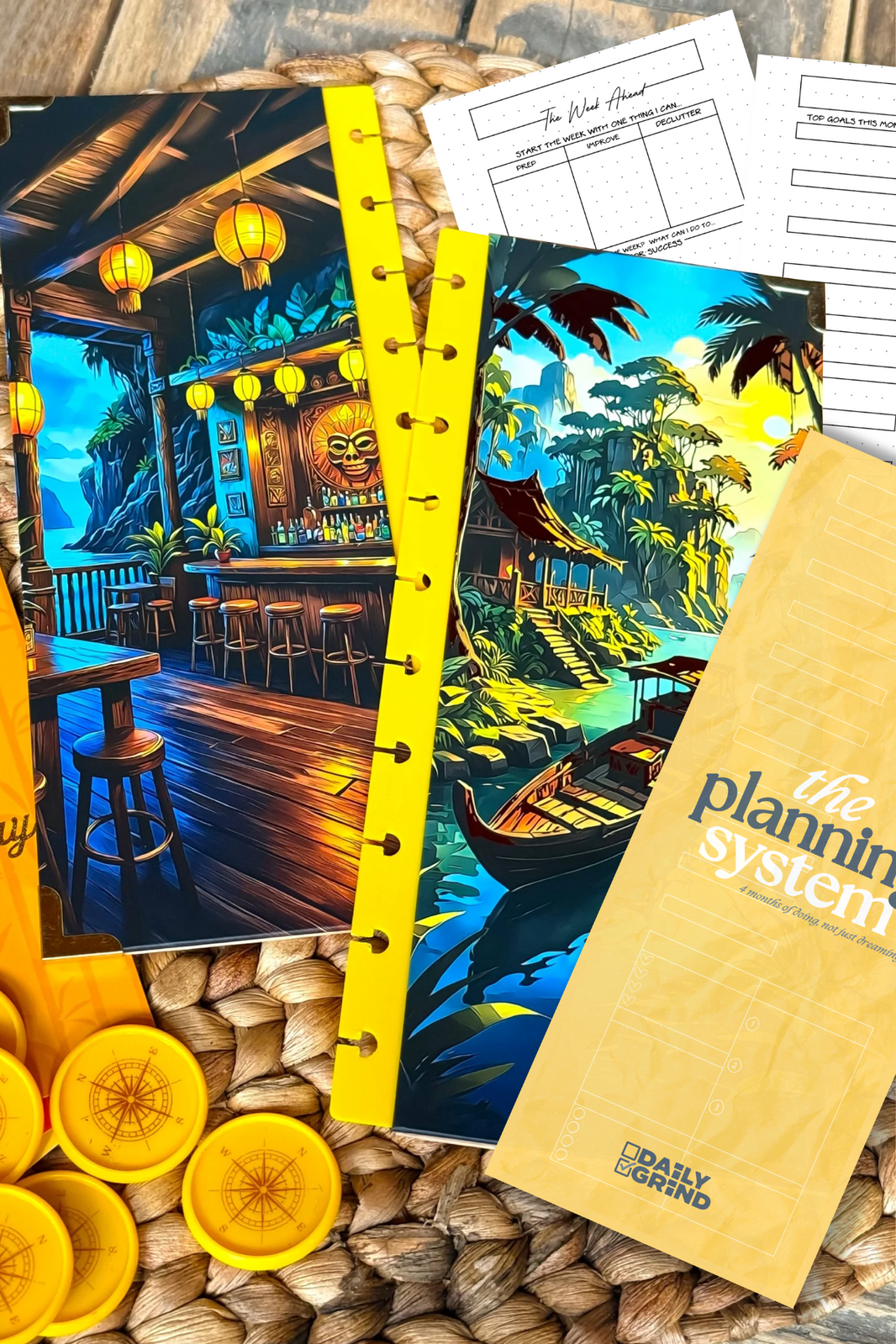
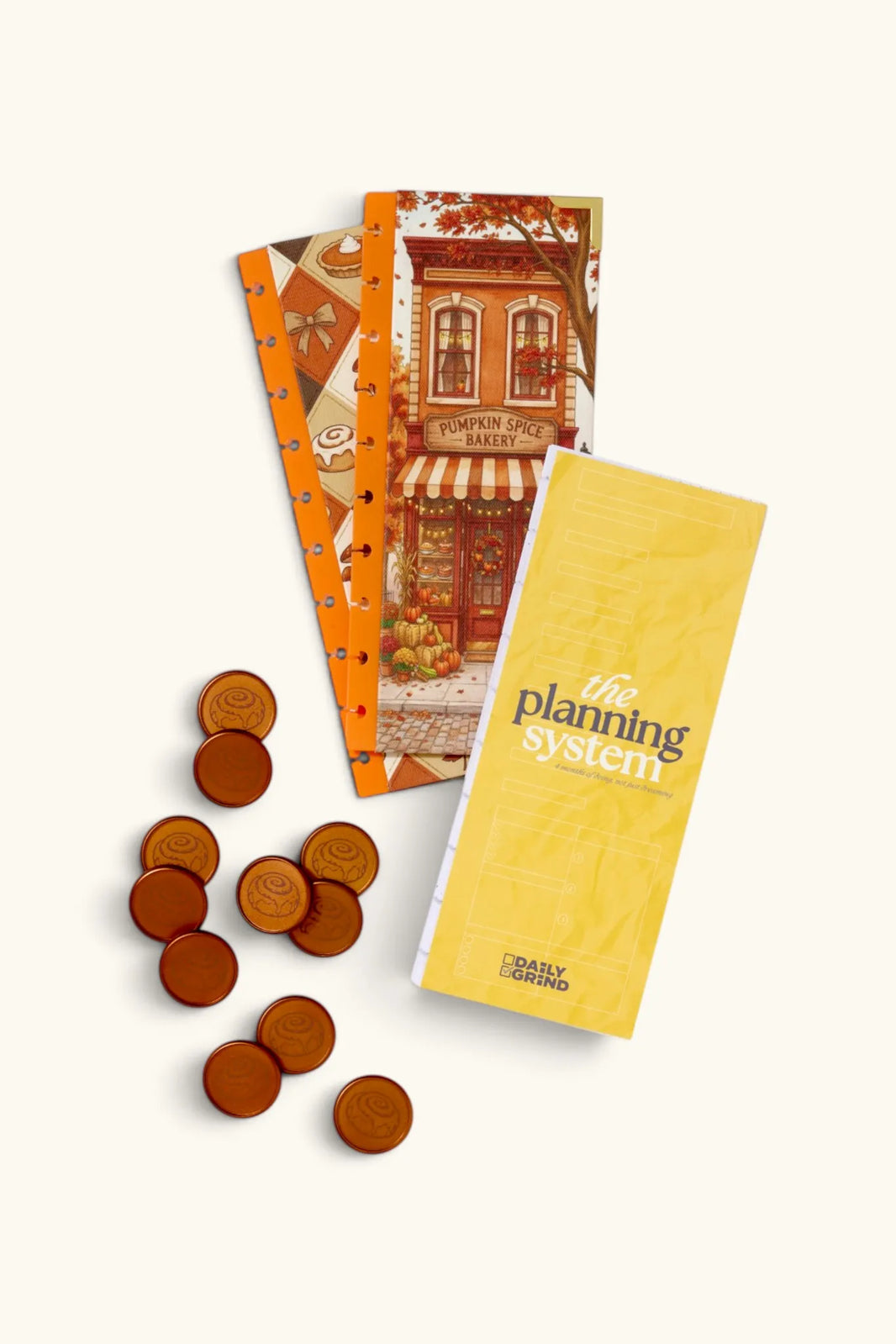
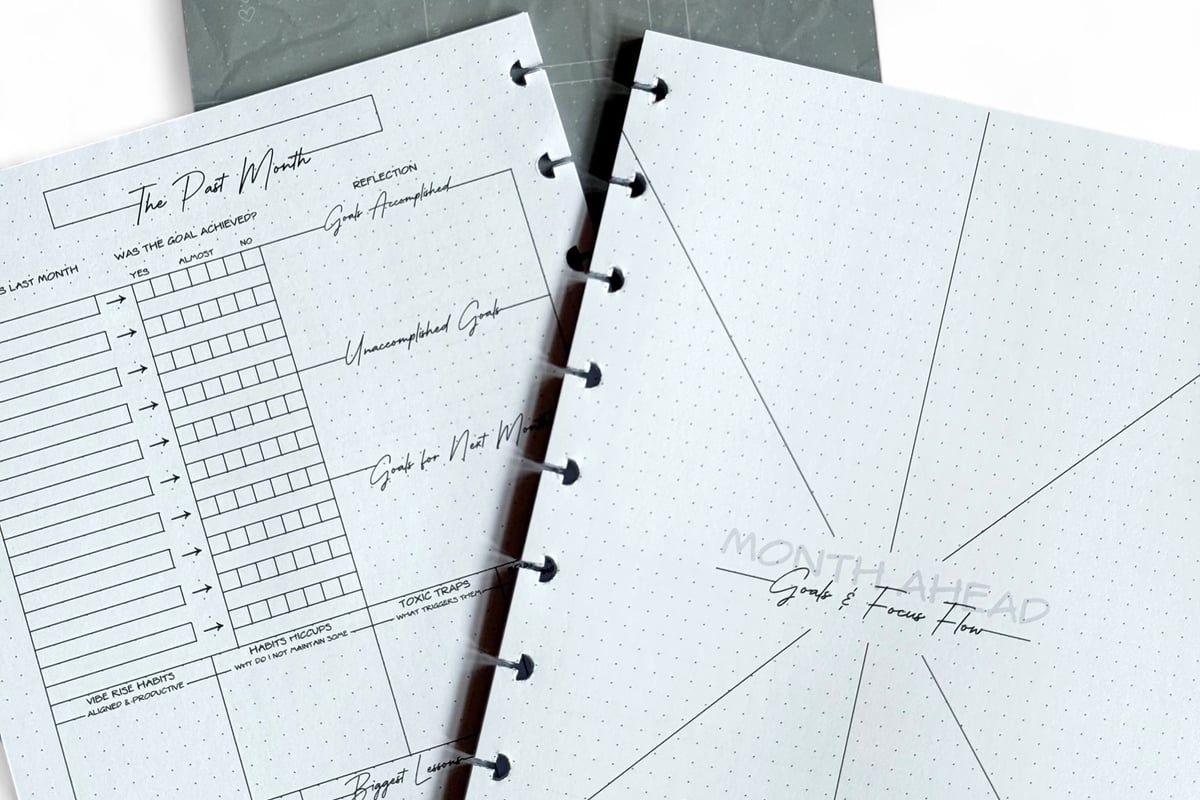
The key is finding a layout that matches your planning style. Some people thrive with hourly time blocks. Others prefer a simple priority list with flexibility built in. The Daily Grind 4-Month Planning System offers an undated daily layout that gives you space to map out your goals and routines without the overwhelm, making it ideal whether you're building new habits or prepping for a fresh season.
Essential Elements Every Daily Planner Needs
Your planner should include specific sections that support different aspects of your day. Don't just dump everything into one massive to-do list.
| Planner Section | Purpose | Best Practices |
|---|---|---|
| Top Priorities | Your 3 most important tasks | List these first, tackle early |
| Time Blocks | Scheduled commitments | Include buffer time between blocks |
| Habit Tracker | Daily routines and self-care | Check off as you complete |
| Notes/Reflections | Ideas and evening review | Capture thoughts without losing focus |
Effective planner use emphasizes immediate recording of important dates and color-coding to manage multiple commitments. As soon as you learn about an appointment, deadline, or event, write it down. Don't trust your memory.
Time-Blocking: Your Secret Weapon for Focused Work
You've heard about time-blocking, but are you actually doing it? This technique transforms your daily planner from a wish list into a realistic roadmap.
Time-blocking means assigning specific hours to specific tasks. Instead of writing "work on presentation," you write "9:00-11:00 AM: create presentation slides." This simple shift changes everything.
How to Time-Block Like a Pro
Start by identifying your peak energy hours. Are you sharpest first thing in the morning? Do you hit your stride after lunch? Productivity experts recommend scheduling your most demanding work during these high-energy windows.
Follow this time-blocking framework:
- Block your non-negotiables first (meetings, appointments, school pickup)
- Protect your peak hours for deep work on priority tasks
- Schedule routine tasks during low-energy periods
- Build in 15-minute buffers between blocks
- Include time for breaks, meals, and movement
Don't pack every minute. Life happens. The goal isn't a perfect schedule but a framework that keeps you focused on what matters while allowing flexibility for the unexpected.
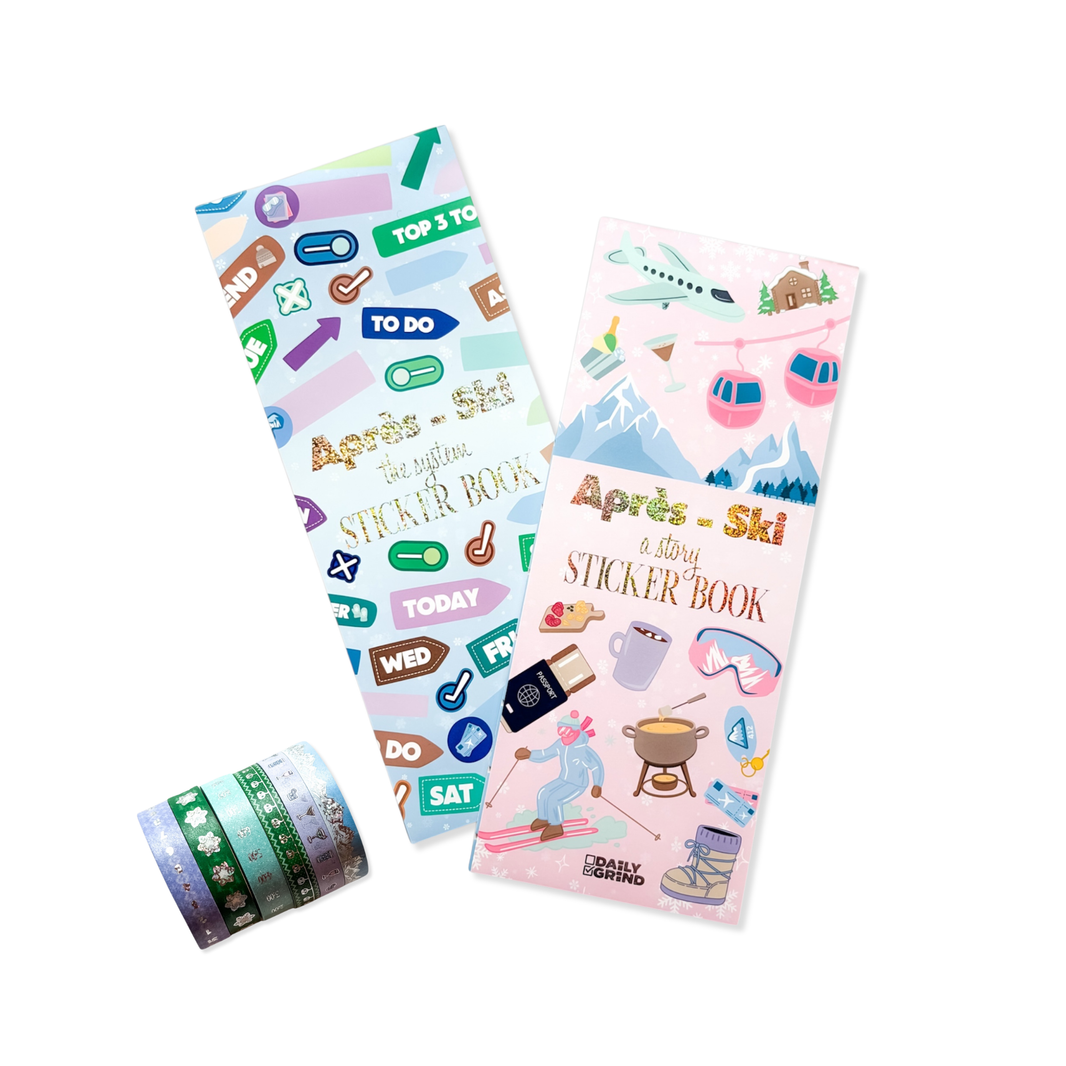
Your planning accessories can make this process more enjoyable. Different colored pens for different categories, washi tape to highlight important blocks, and tabs to quickly navigate your planner.

The Top-Three Priority System
Here's a game-changing question: if you could only accomplish three things today, what would they be?
This is the foundation of the top-three priority system. Every evening or first thing in the morning, you identify your three most important tasks for the day. Not your easiest tasks. Not your most urgent tasks. Your most important tasks.
These are the activities that move you toward your bigger goals. Maybe it's writing for 30 minutes. Maybe it's finally scheduling that doctor's appointment. Maybe it's having a difficult conversation you've been avoiding.
Distinguishing Between Urgent and Important
Urgent tasks scream for attention. Important tasks whisper. Your daily planner helps you hear the whispers.
The urgent email can wait an hour. The important work of building your skills, nurturing relationships, and caring for your health can't wait forever. When you use a planner effectively, you create space for both.
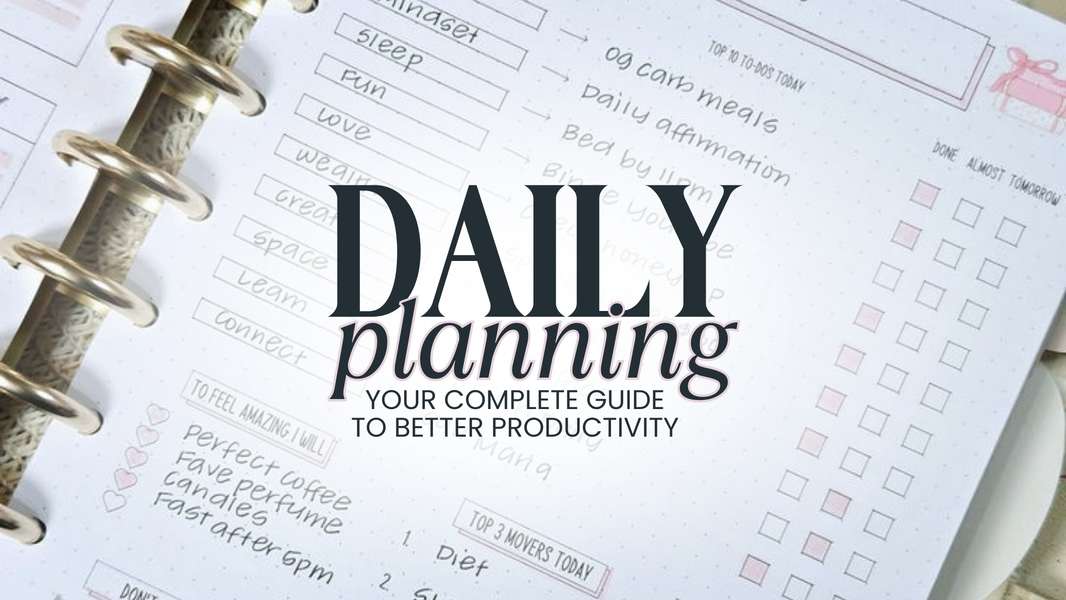
Write your top three priorities at the top of each day's page. Make them visible. Circle them. Star them. Whatever it takes to keep them front and center as your day unfolds.
Building Habits Through Daily Planning
Your daily planner isn't just for tasks and appointments. It's a powerful tool for building the habits that shape your life.
Want to drink more water? Track it. Want to read before bed? Schedule it. Want to practice gratitude? Create space for it in your planner.
Studies show that tracking behaviors increases the likelihood you'll stick with them. There's something satisfying about checking off that daily habit box that makes you want to keep the streak going.
Habits worth tracking in your daily planner:
- Morning routine completion
- Water intake goals
- Movement or exercise
- Creative practice
- Reading time
- Sleep and wake times
- Mindfulness or meditation
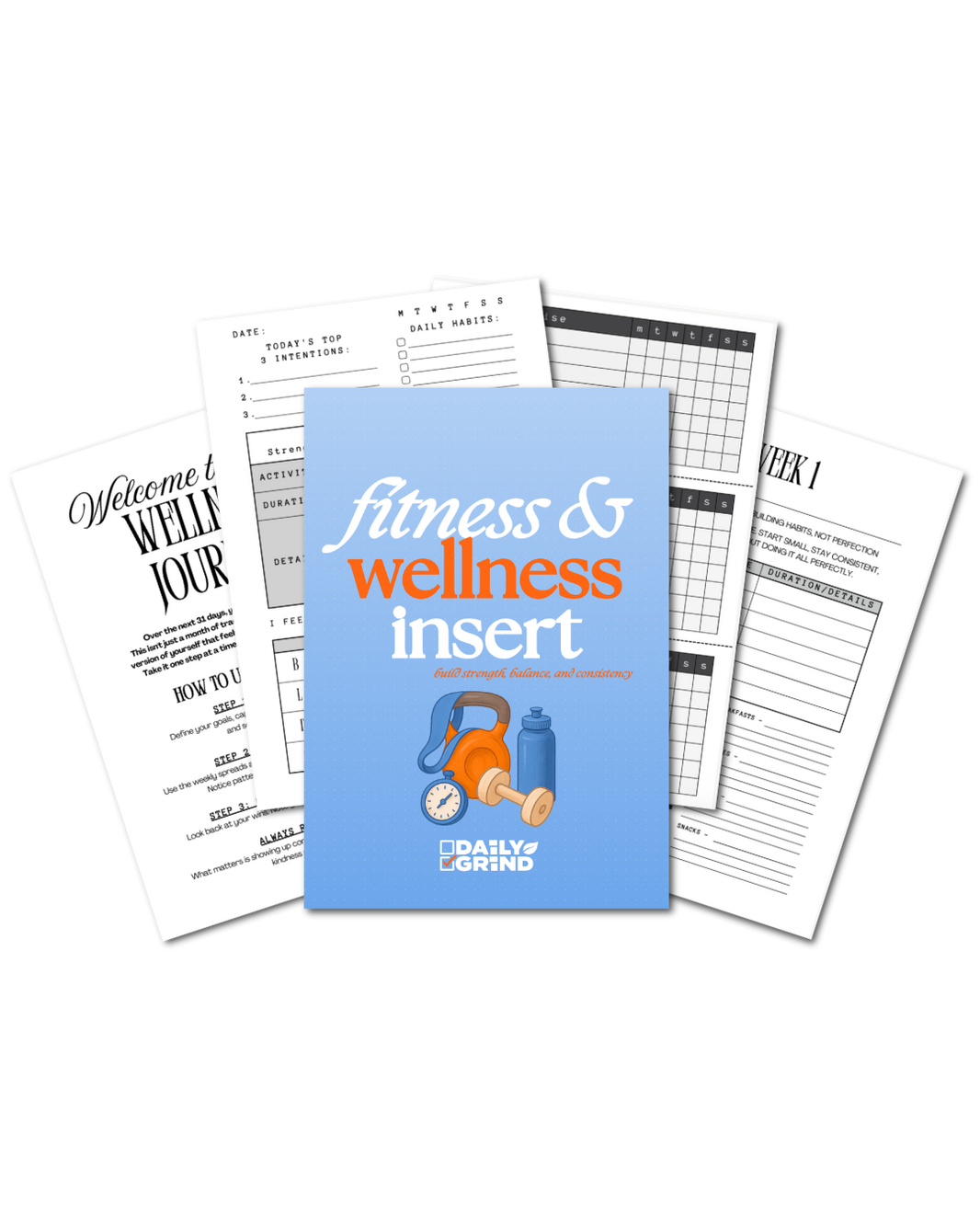
The habit tracking challenge planner inserts at Daily Grind Planner can help you maintain consistency with your most important routines while keeping everything in one organized place.
Weekly Planning: The Foundation for Daily Success
Your daily planner works best when it's connected to a bigger picture. That's where weekly planning comes in.
Every Sunday (or whatever day works for you), spend 15 minutes reviewing the week ahead. What are your commitments? What are your goals? What needs to happen to make this week feel successful?
Your Weekly Planning Ritual
During your weekly planning session, you're setting the stage for seven successful days. This isn't about cramming more into your schedule but about intentionally choosing what deserves your time.
- Review last week's wins and challenges
- Check your monthly goals and deadlines
- Note all fixed commitments for the coming week
- Identify your top priority for each day
- Schedule self-care and personal time
- Prepare anything you'll need (meal prep, materials, etc.)
This 15-minute investment saves hours of confusion and indecision throughout the week. You'll know exactly what each day requires, and you can adjust your daily plans accordingly.
Color-Coding and Symbols: Visual Organization That Works
Your brain processes visual information faster than text. That's why color-coding and symbols make your daily planner exponentially more useful.
Assign colors to different life areas: work, personal, family, health, creativity. When you glance at your page, you immediately see if your day is balanced or if one area is dominating.
| Color System | Category | Symbol Options |
|---|---|---|
| Blue | Work tasks | ■ for projects |
| Green | Health/wellness | ♥ for self-care |
| Purple | Creative pursuits | ★ for priorities |
| Orange | Family/social | ! for urgent items |
| Pink | Personal development | → for delegated tasks |
Productivity experts recommend using colors and symbols to enhance organization and maintain focus. You can find everything you need in the pens and highlighters collection to create your perfect system.
Don't overcomplicate it. Three to five colors is plenty. The goal is quick visual clarity, not an art project (though if that brings you joy, go for it).
Evening Reflection: Closing Your Day Intentionally
Planning isn't just about starting your day right. It's about ending it with intention too.
Your evening reflection takes five minutes but provides incredible insight. Before you close your daily planner, ask yourself these questions:
- What went well today?
- What would I do differently?
- What am I grateful for?
- What's my top priority tomorrow?
This practice helps you learn from each day and continuously improve your planning process. You'll notice patterns. Maybe Tuesdays always feel rushed. Maybe you're most productive when you exercise in the morning. Maybe phone calls drain your energy and need buffer time after them.
Creating Tomorrow's Success Tonight
Part of your evening reflection involves setting up tomorrow. Lay out what you'll need. Review your schedule. Choose your top three priorities.
When you wake up tomorrow, you won't waste energy figuring out where to start. You'll already know. This simple habit reduces morning anxiety and helps you take control of your day from the moment you open your eyes.
The Daily Grind planning resources are designed to support this kind of holistic planning approach, with space for both forward-thinking and reflection.
Overcoming Common Daily Planning Obstacles
Let's be real: planning consistently is hard. You'll face obstacles. The key is anticipating them and having strategies ready.
Obstacle 1: "I don't have time to plan." You have time for what you prioritize. Start with just five minutes. Set a timer. You'll be amazed how much you can accomplish in five focused minutes.
Obstacle 2: "My plans never work out anyway." Plans aren't predictions. They're intentions. If something changes, you adjust. The act of planning still focuses your mind on what matters.
Obstacle 3: "I forget to check my planner." Build checking your planner into existing habits. Coffee in the morning? Check your planner. Lunch break? Check your planner. Set phone reminders until it becomes automatic.
Making Planning Enjoyable, Not a Chore
Your daily planner should feel like a tool that supports you, not another obligation weighing you down. Choose supplies that bring you joy. Create a planning ritual you look forward to, maybe with your favorite coffee or a special playlist.
Effective planner use includes breaking tasks into manageable steps and incorporating self-care. Your planner isn't just about productivity. It's about creating a life that feels good.
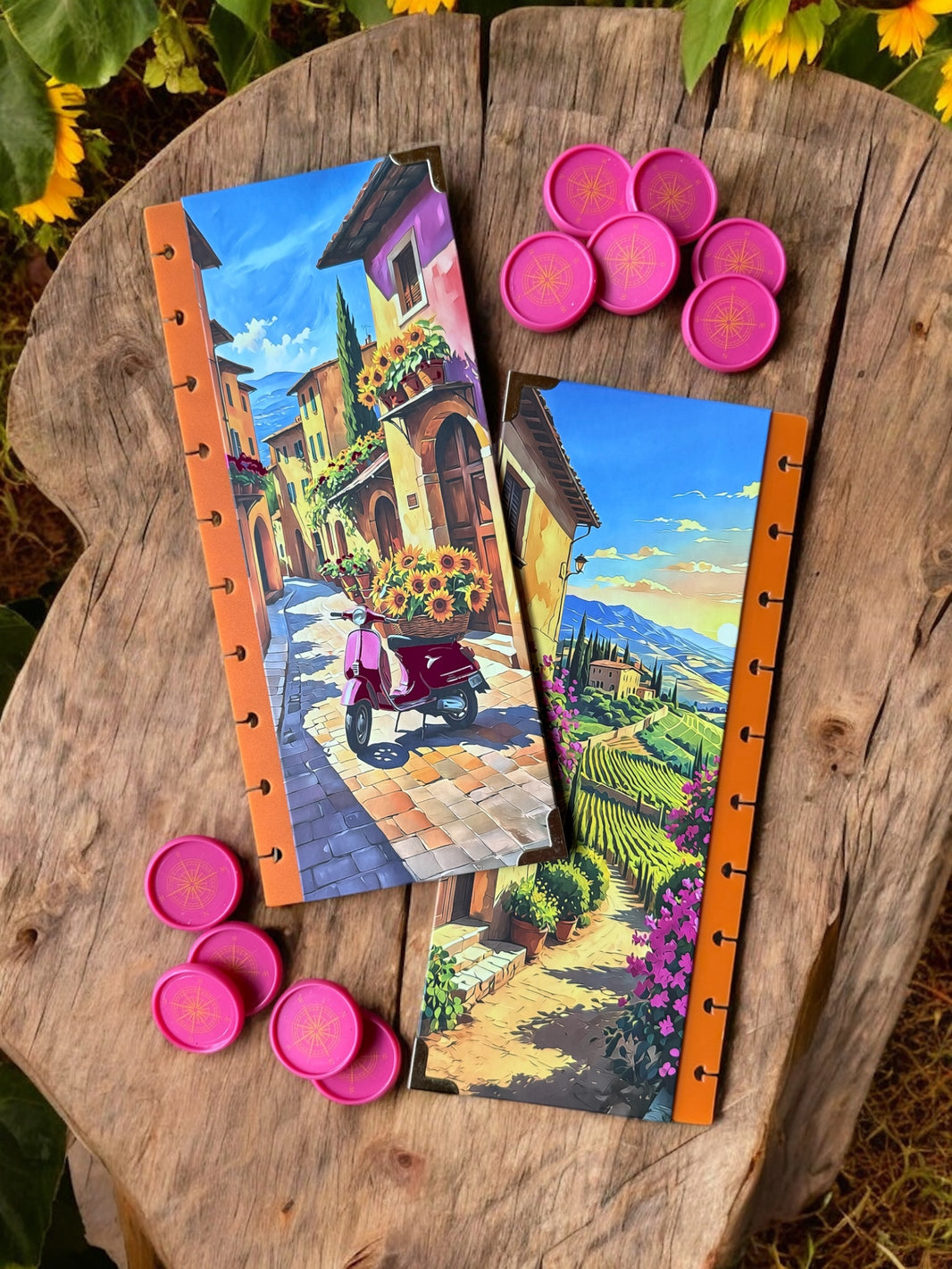
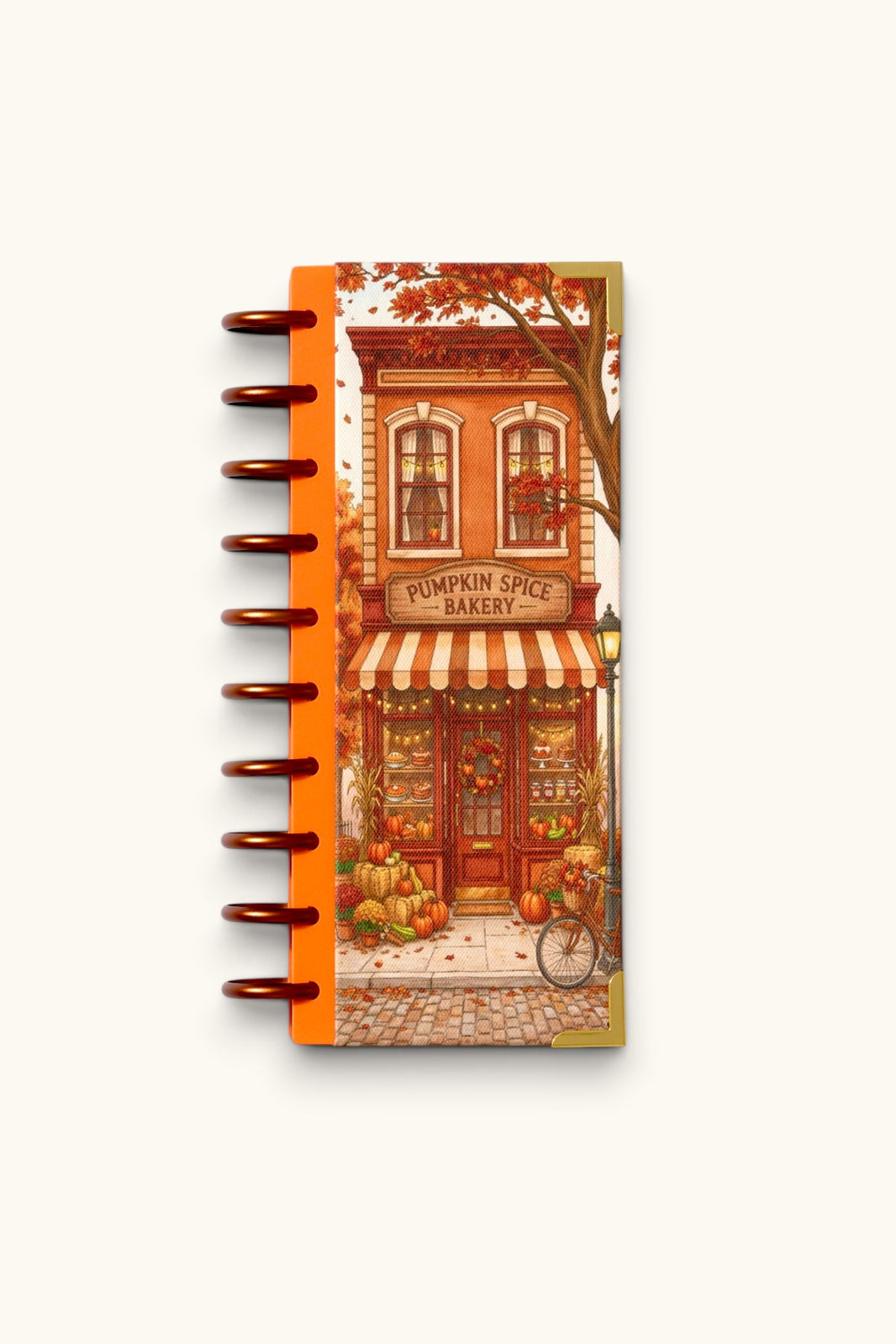
Explore planner covers and decorative elements that make opening your planner a moment of delight rather than dread.
Seasonal Planning Adjustments
Your planning needs change throughout the year. Summer might require more flexible scheduling for kids' activities or vacation planning. Fall might mean ramping up work projects and establishing new routines.
Your daily planner should adapt with you. Every quarter, review your planning system. What's working? What's not? What needs to change for the season ahead?
This is where an undated planner shines. You're not locked into a rigid calendar that doesn't match your life's rhythm. You can take breaks, skip days, and return without guilt about empty pages.
The challenge planner inserts let you focus on specific goals during different seasons, whether that's a fitness challenge in January or a creativity sprint in October.
Integrating Digital and Paper Planning
You don't have to choose between digital and paper planning. Many people find a hybrid approach works best.
Use your phone calendar for time-sensitive appointments and reminders. Use your paper daily planner for deep planning, reflection, and creative thinking. The two systems can complement each other beautifully.
Your paper planner becomes your thinking space, free from notifications and distractions. Your digital calendar becomes your backup system, ensuring you never miss a commitment. Together, they create a comprehensive planning ecosystem.
Just make sure you have a clear system for keeping them in sync. Maybe you transfer digital appointments to your paper planner every Sunday during your weekly planning session.
The power of a daily planner isn't in the perfect system but in the consistent practice of putting yourself and your priorities first. When you take those few minutes each morning and evening to plan with intention, you're making a statement that your goals matter and your time is valuable. At Daily Grind Planner, we create tools designed to help you stay focused on what truly matters, offering planner inserts, accessories, and resources that support your growth in productivity, wellness, creativity, and self-care. Start your planning practice today and watch how it transforms not just your days, but your entire life.
Tags:
Previous
How to Customize Your Planner Like a Pro: Covers, Inserts, and Accessories to Inspire You
Next
Planning Daily: Your Complete Guide to Better Productivity