

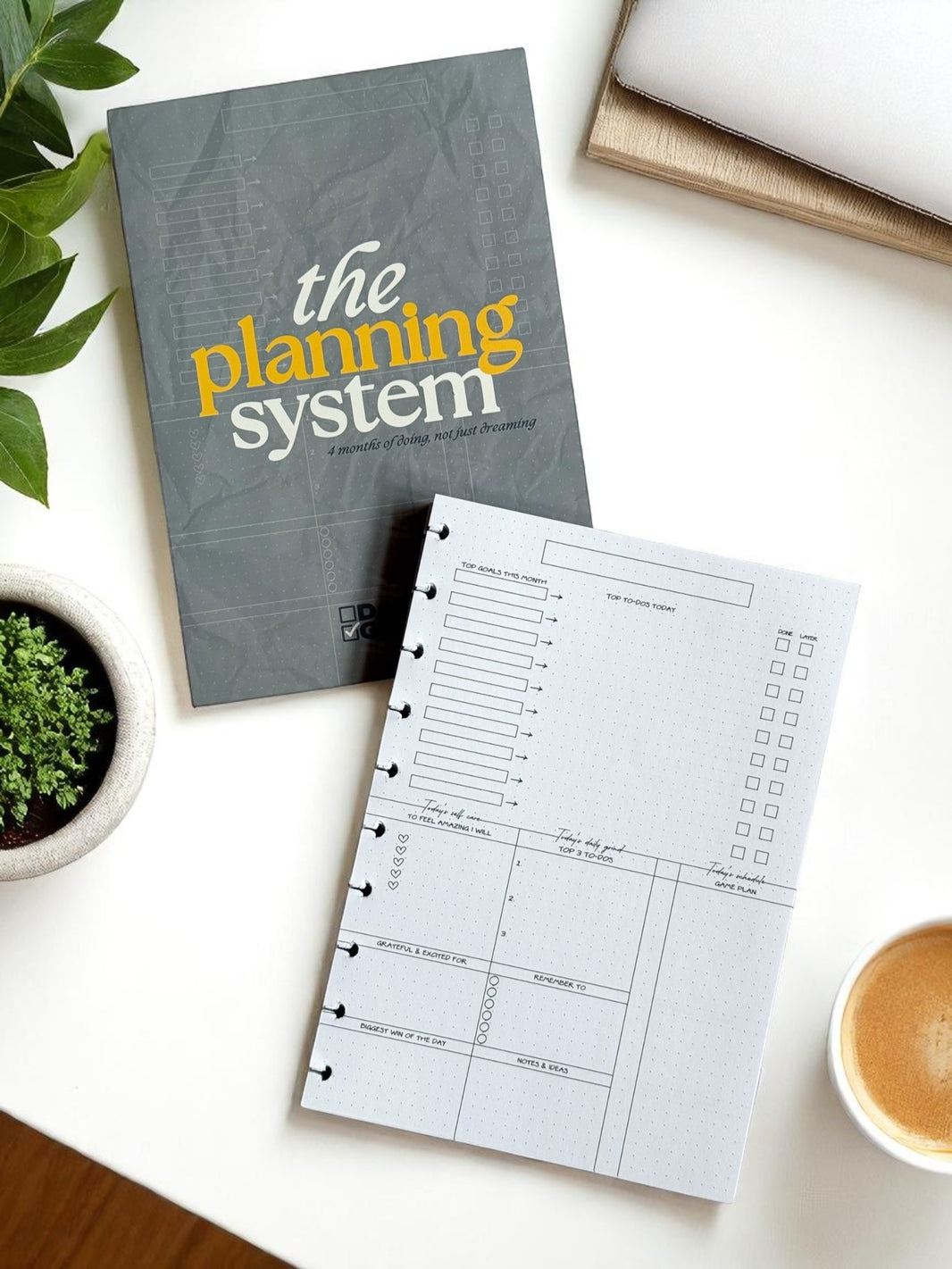


Planning Daily: Your Complete Guide to Better Productivity
Ever feel like your days just slip away from you? One minute you're checking your morning emails, the next you're wondering where the entire day went. You're not alone. The secret weapon against this daily chaos isn't working harder or longer. It's about planning daily with intention and purpose. When you take control of your schedule instead of letting it control you, everything changes. Your stress drops, your productivity soars, and suddenly those big goals don't seem quite so impossible anymore.
Why Planning Daily Actually Works
Let's get real for a second. You've probably heard people say "just plan your day" a million times. But why does it actually work?
The science behind daily planning is surprisingly straightforward. When you write down what you need to accomplish, your brain can finally stop trying to remember everything. That mental energy? It gets redirected toward actually doing the work instead of worrying about forgetting something important.
Here's what happens when you start planning daily:
- Your working memory gets freed up for creative problem-solving
- Decision fatigue decreases because you've already decided what to tackle
- You create a visual roadmap that reduces anxiety
- Priorities become crystal clear instead of everything feeling urgent
Research shows that successful people plan their day because it enables them to prioritize important tasks over merely urgent ones. This distinction matters more than most people realize.
The Foundation: Getting Started With Daily Planning
Starting a daily planning practice doesn't require an overhaul of your entire life. It just needs consistency and the right approach.
Choose Your Planning Time
Some people swear by morning planning. Others prefer evening planning for the next day. There's no wrong answer here, just what works for your rhythm. Morning planners love the fresh perspective they get right after waking up. Evening planners appreciate going to bed with tomorrow already mapped out.
Try both for a week each. Notice which one leaves you feeling more in control and less stressed.
Decide What Goes In Your Plan
Not everything deserves space in your daily plan. If you try to schedule every single minute, you'll burn out before lunch.
Focus on capturing these essential elements:
- Your top three priority tasks
- Time-sensitive appointments or commitments
- One personal wellness activity
- Flexible tasks that can move if needed
- Time blocks for deep work
The benefits of structuring your day include better time management and increased accountability, which become easier when you're selective about what makes the cut.
Building Your Perfect Daily Planning System
Here's where things get personal. Your daily planning system should feel like it was custom-built for your life because, well, it should be.
Morning Planning Rituals
Picture this: You wake up, grab your coffee, and spend ten focused minutes mapping out your day. No phone scrolling. No email checking. Just you and your planner.
| Planning Step | Time Required | Purpose |
|---|---|---|
| Review yesterday | 2 minutes | Learn what worked |
| Brain dump tasks | 3 minutes | Capture everything |
| Prioritize top 3 | 2 minutes | Focus energy |
| Time block schedule | 3 minutes | Create structure |
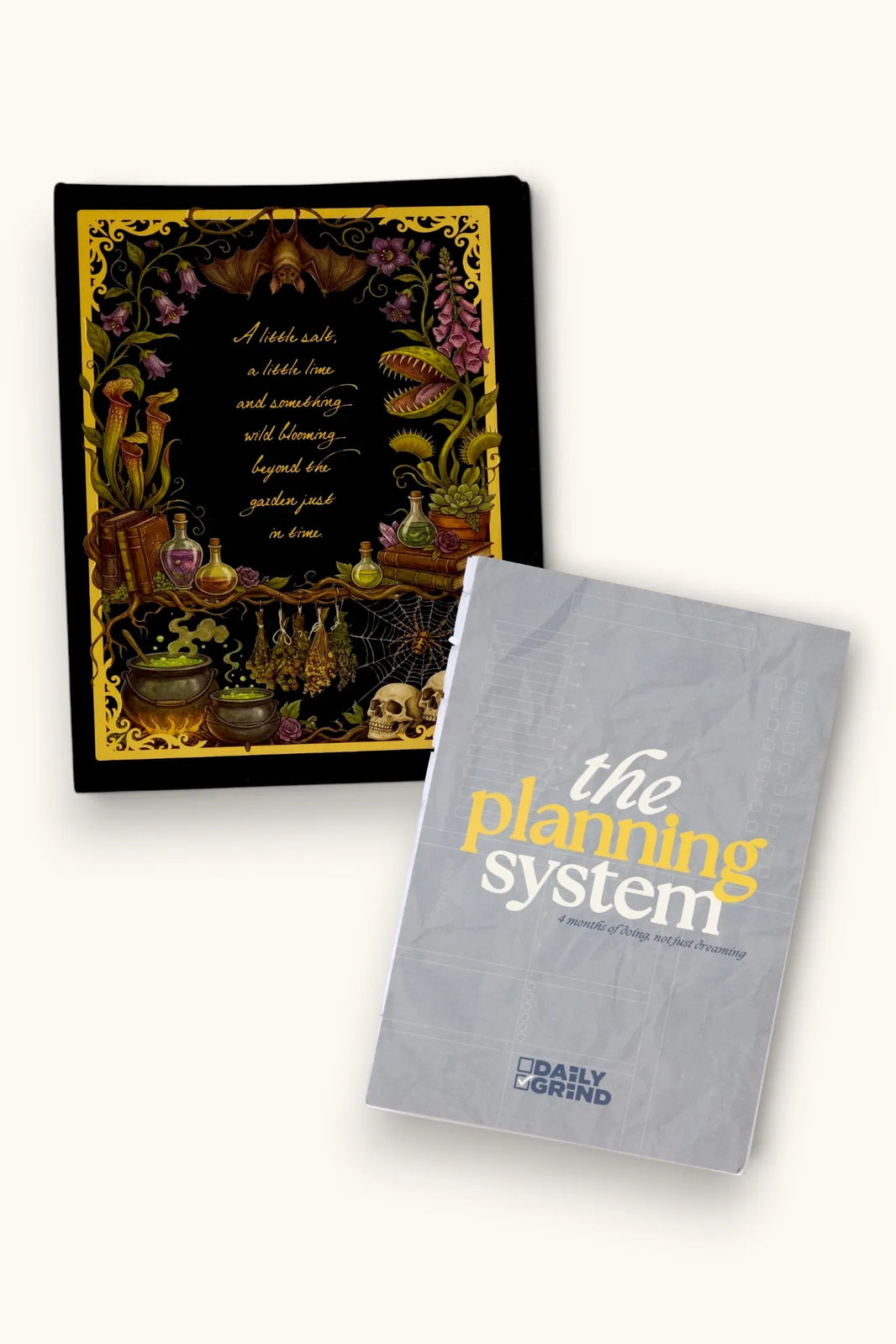
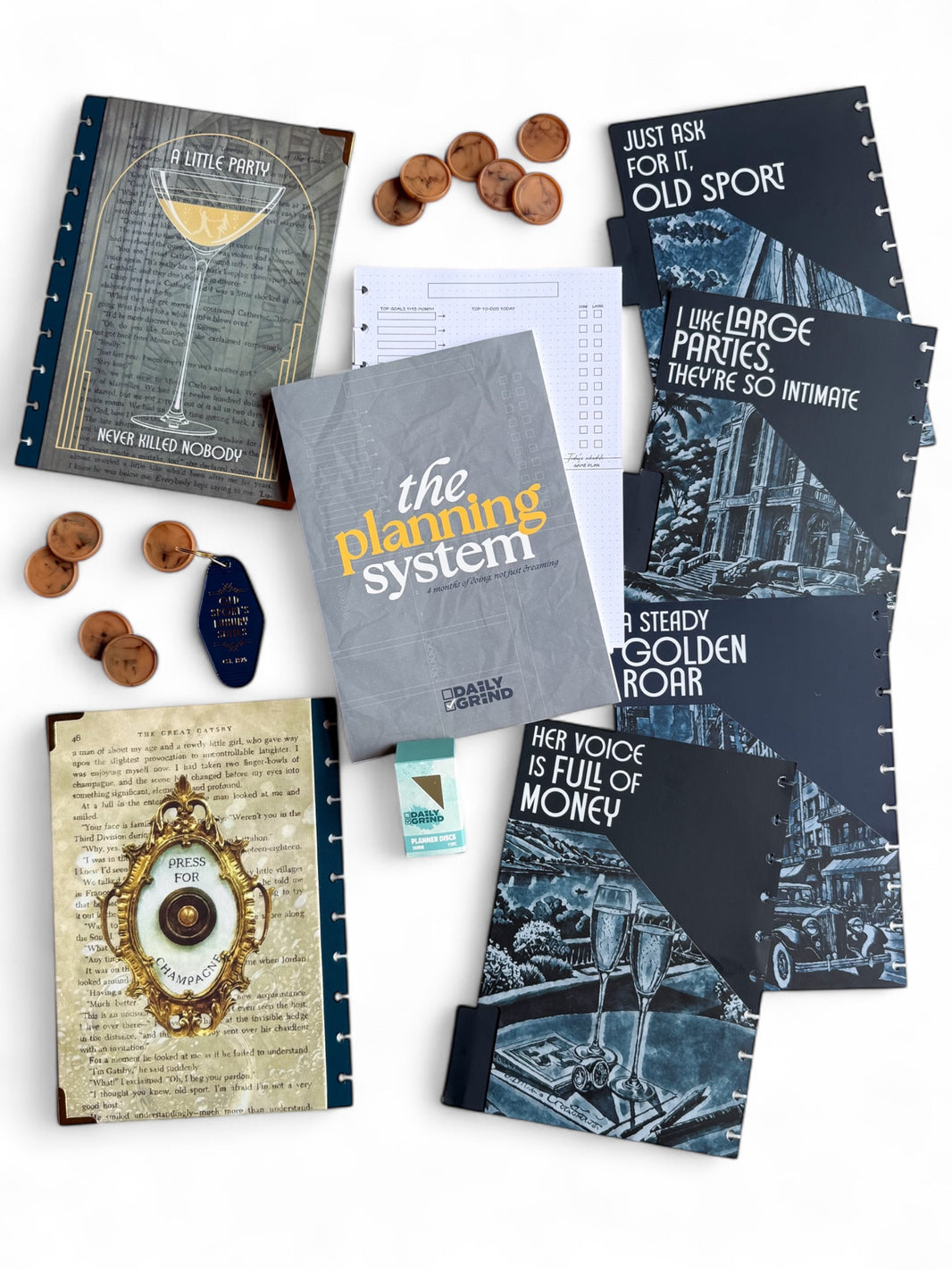
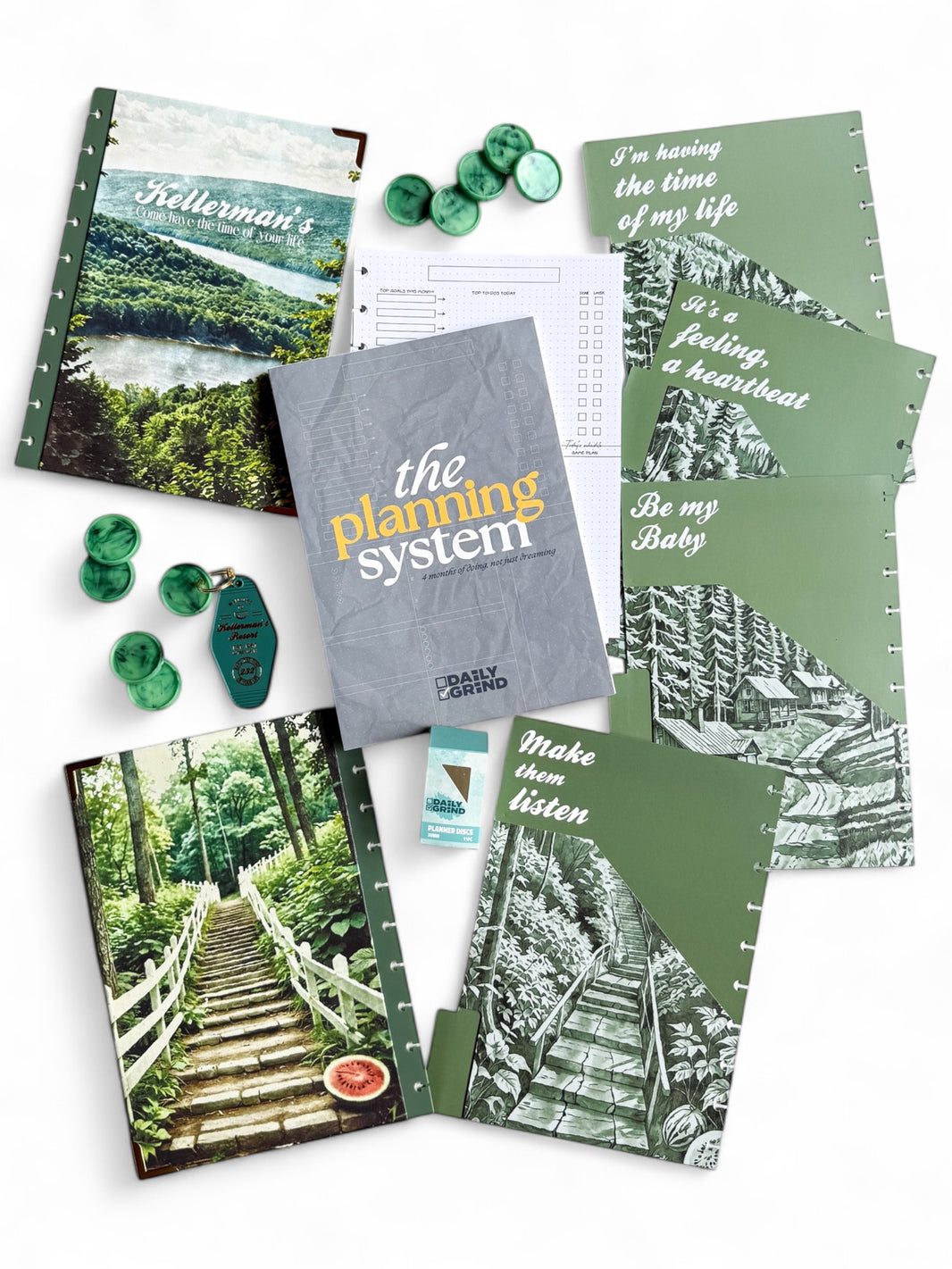
This simple ten-minute investment sets your entire day up for success. The Daily Grind Planning System provides exactly this kind of intuitive structure, giving you the space to map out big goals while building new habits without feeling overwhelmed.

Evening Reflection and Preparation
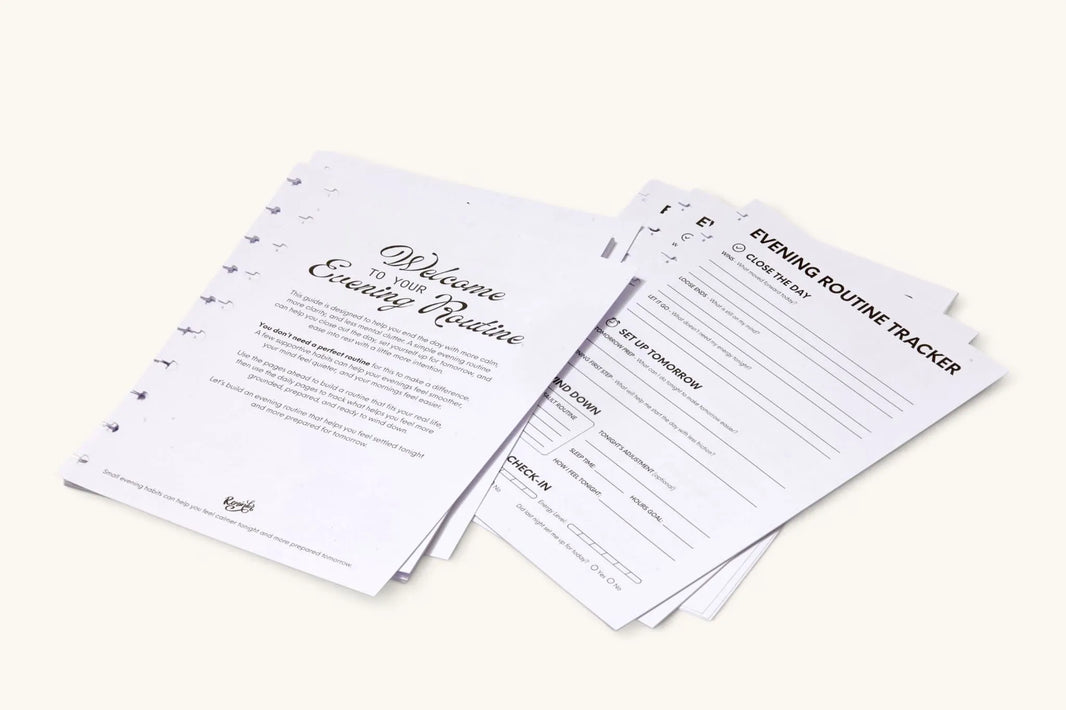
Don't underestimate the power of wrapping up your day intentionally. When you review what you accomplished and prep for tomorrow, you create a completion loop that your brain craves.
Spend five minutes each evening asking yourself:
- What went well today?
- What could I improve tomorrow?
- What are my three priorities for tomorrow?
This reflection practice transforms planning daily from a checklist exercise into actual personal growth.
Time-Blocking: The Game-Changer Strategy
Ready to take your daily planning to the next level? Time-blocking might just blow your mind.
Instead of writing a random to-do list, you assign specific time slots to specific tasks. Sounds simple, right? But the impact is massive.
How to Time-Block Effectively
Start with your non-negotiables:
- Work meetings
- School pickup
- Exercise class
- Meal times
These anchor your day. Everything else flows around them.
Next, block out chunks for focused work. Research suggests 90-minute blocks work best for deep concentration. Between blocks, schedule 15-20 minute breaks. Your brain needs them.
For those administrative tasks that pile up? Batch them into one 30-minute block. Answer all emails at once. Make all phone calls together. Return all messages in one shot. This prevents constant context-switching that drains your energy.
The simple daily tips for better time management include trying time-blocking and keeping a top-three list, which work beautifully together.
Customizing Your Daily Plan for Real Life
Life isn't predictable. Your daily planning system needs to handle curveballs without falling apart.
Planning for Different Days
Not all days are created equal. Your Monday looks nothing like your Saturday. Stop trying to force the same planning template onto every single day.
Create different planning approaches for:
- Heavy meeting days (minimal deep work blocks)
- Creative work days (longer focus sessions)
- Admin days (shorter task batches)
- Weekend days (balance personal and household tasks)
This flexibility prevents that awful feeling when your perfect plan crashes into reality.
Building Buffer Time
Here's a secret successful planners know: Always leave white space.
If you schedule every minute, one unexpected phone call destroys your entire day. But when you build in 30-60 minutes of buffer time, those interruptions just get absorbed.
Think of buffer time as insurance for your sanity. The benefits of keeping a daily planner include reducing stress and anxiety, which becomes much easier when you're not running on an impossible schedule.
Tools and Techniques for Better Daily Planning
You don't need fancy apps or expensive systems. But having the right tools makes planning daily feel easier instead of like another chore.
The Power of Physical Planners
Something magical happens when you write things down by hand. Your brain processes information differently. You remember better. You commit more deeply.
Physical planners also eliminate digital distractions. When you're planning in an app, notifications constantly pull your attention away. A paper planner keeps you focused.
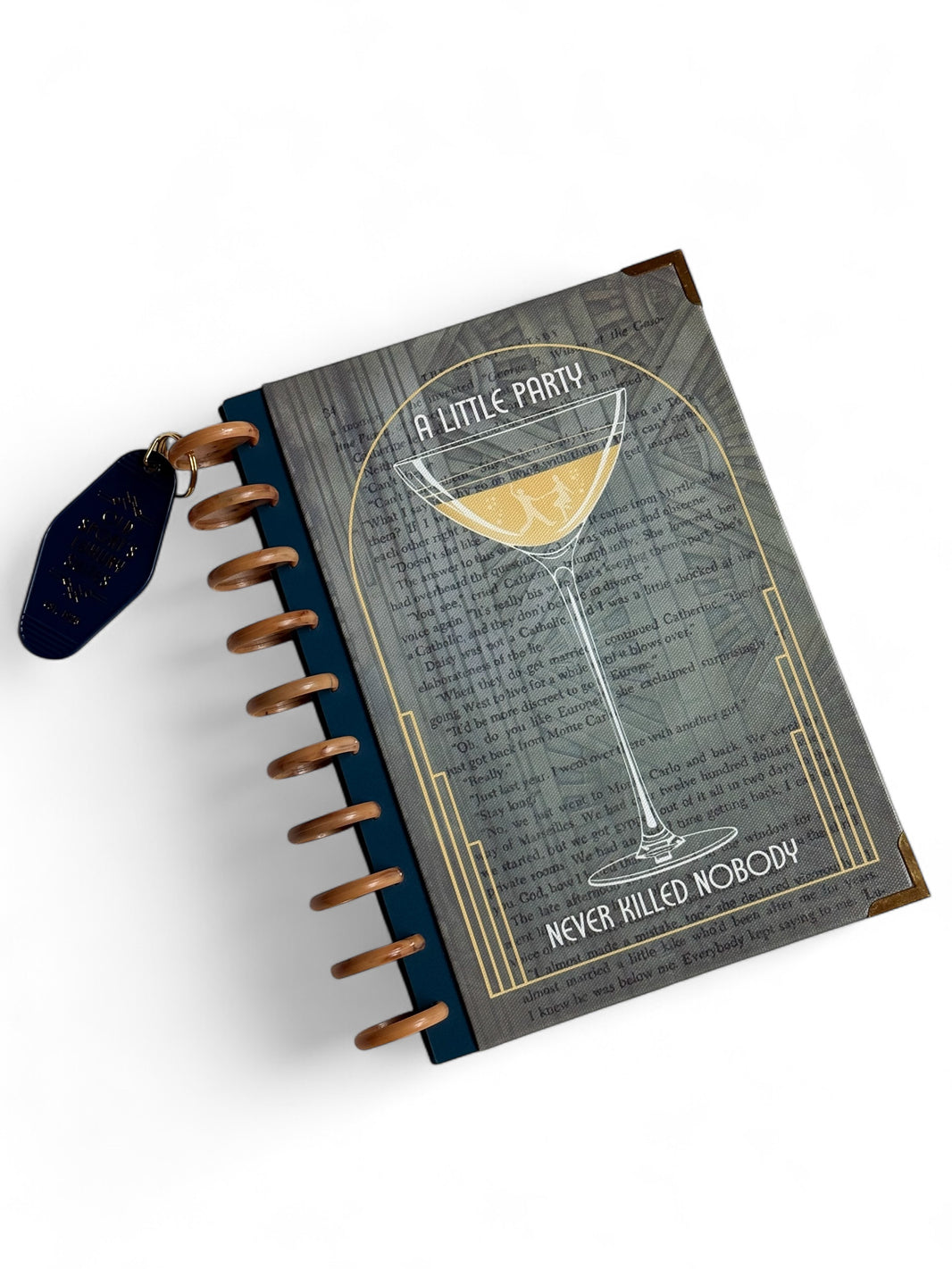
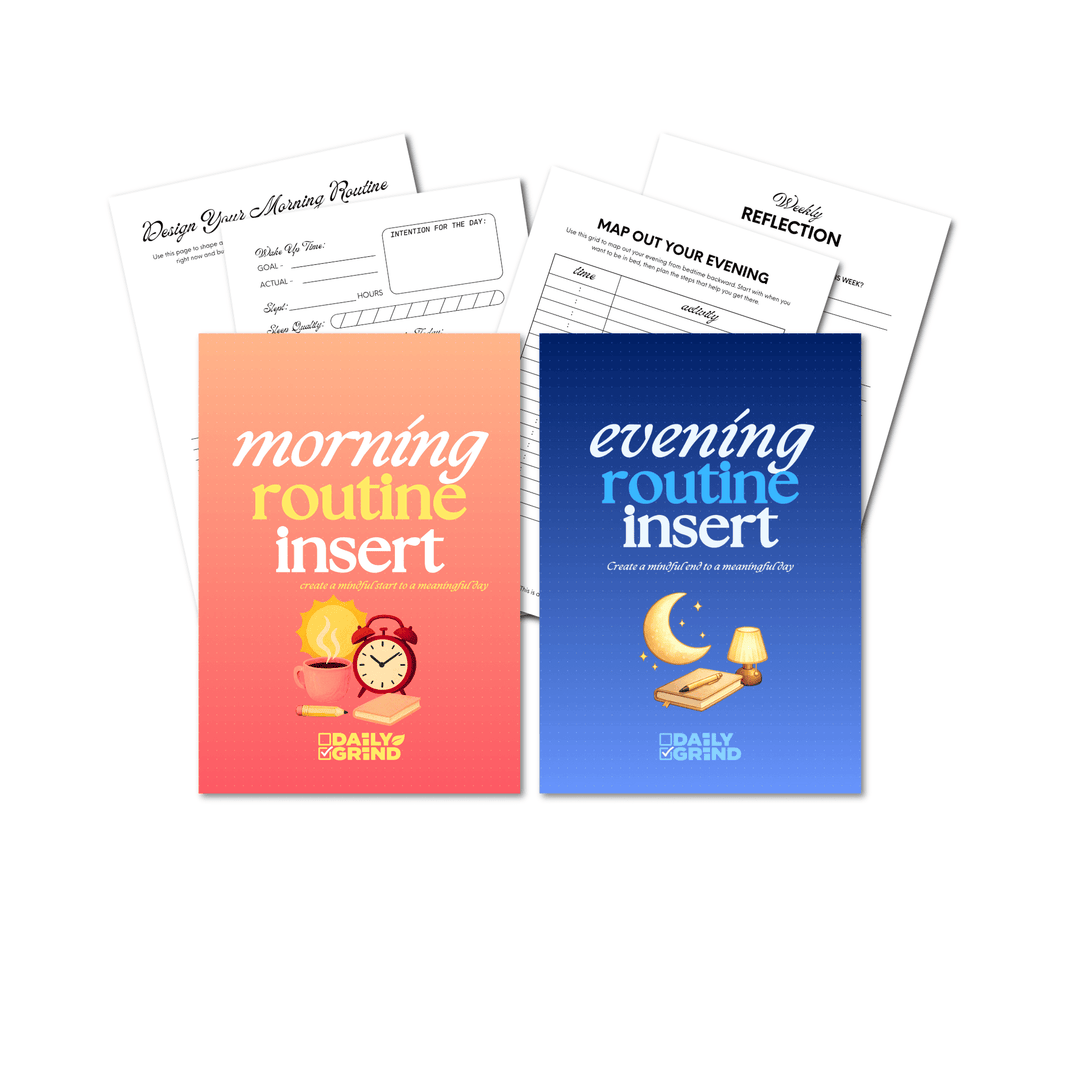
The range of customizable planners and inserts available today means you can find exactly the layout that matches how your brain works. Some people love hourly time blocks. Others prefer open space for flexible scheduling.
Digital Tools That Actually Help
That said, digital tools have their place. Calendar apps excel at reminders and recurring events. Note-taking apps capture random thoughts throughout the day.
The key is using digital and physical tools together strategically:
| Tool Type | Best For | Avoid Using For |
|---|---|---|
| Physical Planner | Daily focus tasks, reflection | Recurring events |
| Digital Calendar | Meetings, reminders | Creative planning |
| Note App | Quick captures | Deep planning |
| Task Manager | Long-term projects | Daily priorities |
Many successful planners use a hybrid approach. They keep their daily plan physical but sync appointments digitally.
Common Planning Mistakes and How to Avoid Them
Let's talk about what doesn't work. Because learning from mistakes (yours or others') saves you tons of time.
Overplanning Everything
The biggest mistake? Trying to plan every single minute of every single day. This creates rigidity that makes you feel like a failure when anything unexpected happens.
Leave room for spontaneity. Schedule "unscheduled time" if that helps. Your life shouldn't feel like a prison sentence.
Ignoring Energy Levels
You have different energy at different times of day. Planning your hardest tasks for when you're naturally tired? Recipe for frustration.
Match tasks to energy:
- High energy morning: Complex projects, creative work
- Mid-day slump: Administrative tasks, emails
- Afternoon revival: Meetings, collaboration
- Evening wind-down: Planning, light organizing
The seven tips for effective daily planning emphasize incorporating self-care and minimizing distractions, which becomes easier when you respect your natural rhythms.
Forgetting to Review and Adjust
Planning isn't a one-and-done activity. Your system needs regular tune-ups.
Set a weekly review session. Look at what worked and what didn't. Adjust your approach accordingly. Maybe Monday's time blocks were too short. Perhaps you need more buffer time on Wednesdays.
This continuous improvement mindset keeps planning daily effective long-term instead of becoming another abandoned New Year's resolution.
Making Daily Planning Stick Long-Term
Starting strong is easy. Staying consistent? That's where most people struggle.
Create Planning Triggers
Habit research shows that triggers make behaviors automatic. Link your planning to something you already do consistently.
Effective planning triggers:
- Right after your morning coffee
- Before checking email
- During your commute (if not driving)
- After dinner while kids do homework
The trigger becomes your cue. You don't have to think about whether to plan. You just do it automatically.
Track Your Planning Streak
Humans love streaks. Use that psychology to your advantage. Mark each day you complete your planning session. Watching that streak grow creates motivation to keep going.
You can use simple checkbox tracking or get more detailed with habit tracking systems that help you monitor consistency alongside other important habits.
Celebrate Small Wins
Did you actually complete all three priority tasks today? That deserves recognition. Finished your week with five solid planning days? Amazing.
Don't wait for massive achievements to feel good about your progress. Planning daily itself is an achievement worth celebrating.
Adapting Your Plan Throughout the Day
Even the best plans need adjustments. That's not failure. That's reality.
The Mid-Day Check-In
Around lunchtime, spend two minutes reviewing your plan. Are you on track? Did priorities shift? Do you need to move things around?
This quick check-in prevents that end-of-day panic when you realize nothing got done.
When Everything Goes Wrong
Some days explode despite your best planning. Your kid gets sick. A client emergency hits. Your internet goes down.
When chaos strikes, don't abandon your plan completely. Ask yourself: What's the ONE thing that absolutely must happen today?
Do that one thing. Everything else can wait. This prevents feeling like a total failure when circumstances beyond your control derail your schedule.
The benefits of using a daily productivity planner include improved time management and enhanced work-life balance, even when those unexpected disruptions happen.
Integrating Personal and Professional Planning
Your life isn't separated into neat boxes. Your daily plan shouldn't be either.
The Whole-Life Approach
Include personal tasks alongside professional ones. That dentist appointment? It goes in your plan. Meal prep time? That's in there too. Your kid's soccer game? Absolutely.
When you plan your whole life together, you stop feeling like personal stuff is squeezing out work stuff or vice versa. Everything gets appropriate space.
Setting Boundaries Through Planning
Here's something powerful: Your daily plan can actually enforce boundaries.
Block out "no meeting" time for focused work. Schedule "family time" and treat it as non-negotiable. Create "personal development" blocks for reading or learning.
When these boundaries exist in your plan, they become real commitments instead of wishful thinking.
The Lifestyle Impact of Planning Daily
Let's zoom out for a minute. What happens when planning daily becomes your normal?
Reduced Stress and Anxiety
Knowing what's coming reduces anxiety. Having a plan for handling it all reduces stress. This isn't just feel-good fluff. Studies confirm that planning your day increases focus and provides more accountability.
You sleep better knowing tomorrow is already mapped out. You wake up with purpose instead of dread. These compound effects transform your overall quality of life.
Better Work-Life Balance
When you plan intentionally, work stops bleeding into personal time. You schedule both, so both get protected.
You're also more efficient during work hours because you're focused. This means you can actually stop working when the workday ends. Revolutionary, right?
Achievement of Bigger Goals
Those massive goals that seem impossible? Planning daily breaks them into manageable daily actions.
Want to write a book? Plan 30 minutes daily for writing. Hoping to run a marathon? Schedule your training runs. Building a business? Block time for the essential tasks that move it forward.
The reasons daily planners are helpful include focusing on priorities and preventing missed appointments, which creates momentum toward those bigger aspirations.
Finding Your Planning Style
There's no universal "right way" to plan daily. Your perfect system might look completely different from someone else's.
Minimalist vs. Detailed Planning
Some people thrive on detailed plans with every 15-minute block scheduled. Others prefer a simple top-three list and general time awareness.
Try different levels of detail. Notice when you feel most in control. That's your sweet spot.
Visual vs. Text-Based
Love colors, stickers, and visual layouts? Embrace that. Prefer clean text and minimal decoration? That works too.
Your planning system should match your personality. If it feels like a chore every single day, you're using the wrong approach for you.
The variety of planner accessories available today means you can create exactly the visual experience that motivates you personally.
Paper, Digital, or Hybrid
We touched on this earlier, but it deserves emphasis. The best system is the one you'll actually use.
If you're constantly on your phone anyway, maybe digital works. If screen time exhausts you, paper might be your answer. If you want both? Create a hybrid system that leverages each format's strengths.
Planning for Different Life Seasons
Your planning needs change as life changes. Stay flexible.
Planning With Young Kids
Parents of young children face constant interruptions. Your planning system needs to accommodate that reality.
Keep plans simple. Focus on essentials. Build in way more buffer time than you think you need. And give yourself massive grace when things don't go according to plan.
Planning During Major Transitions
Starting a new job? Moving to a new city? Going through a life change? Your planning might need to be more detailed temporarily while you establish new routines.
Or it might need to be simpler because you're already overwhelmed. Pay attention to what serves you in each season.
Planning for Entrepreneurial Life
Self-employed folks need especially robust planning because nobody else is creating structure for their days.
Block your most important business-building activities first. Schedule admin time so it doesn't consume everything. And protect time off, or you'll work seven days a week without realizing it.
Planning daily isn't about creating a rigid schedule that sucks all spontaneity from your life. It's about designing days that align with what actually matters to you while reducing the stress of constant decision-making. When you implement even simple planning strategies consistently, you'll notice profound shifts in your productivity, peace of mind, and ability to achieve meaningful goals. If you're ready to transform how you approach each day with tools designed for real life, explore the customizable options at Daily Grind Planner to find the perfect system that fits your unique planning style and helps you make every day count.
Tags:
Previous
Daily Planner Guide: Transform Your 2026 Productivity
Next
Life Planner: Your Blueprint for Intentional Living